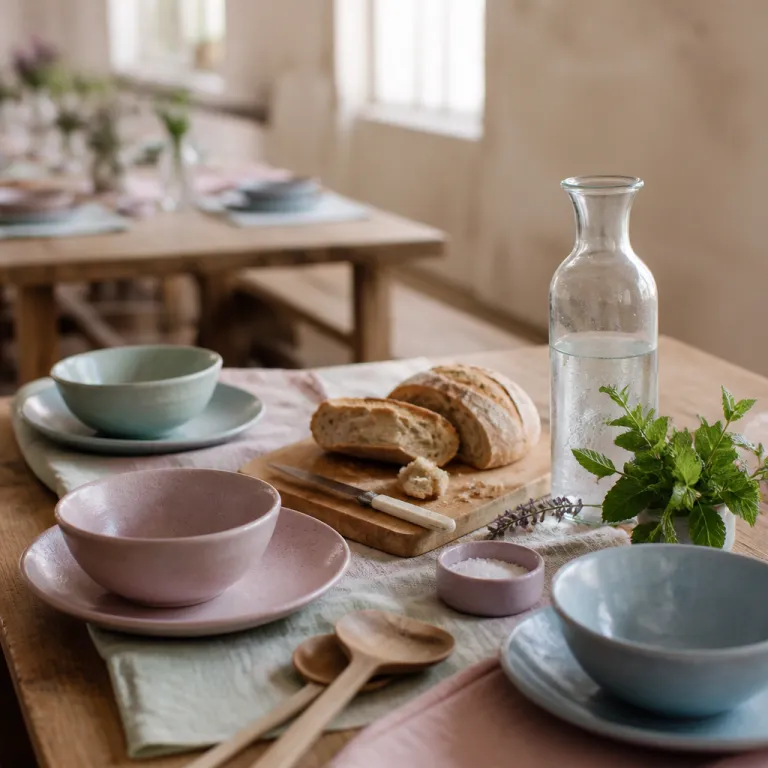
Why communal dining feels different in a ten room lodging house
A communal dining luxury lodging house operates on a different emotional frequency. With barely ten rooms instead of two hundred hotel rooms, the host can learn names, dietary quirks, and even which view you prefer before the first shared plate arrives. That scale turns a simple dining room into a gathering place where the community of guests matters as much as the menu.
In a large city hotel, shared tables often feel like overflow seating, while in intimate hotels the long table is the main stage and the night naturally orbits around it. Historical boarding houses such as Otis House remind us that shared meals once defined urban hospitality, and contemporary properties are reclaiming that rhythm with modern interior design and quietly attentive service. Lodging houses that embrace this approach report that guests extend their dates, check availability for return stays, and name the communal table as their favourite memory rather than the spa or the skyline views.
The data supports what thoughtful hosts already sense about mind body comfort. When 36 % of Americans report feeling lonely, a well run communal dining experience can feel more restorative than another anonymous hotel restaurant reservation. That is why lodging houses across the United States are experimenting with shared kitchens, long tables, and curated group activities that turn hotels into small communities rather than isolated rooms.
How hosts curate the table without making it feel forced
At a true communal dining luxury lodging house, the best hosts behave more like matchmakers than maître d’s. They seat the solo architect from New York City beside the winemaker couple from the United Kingdom, then let the food drink pairing and the room’s gentle live music do the rest. The chemistry feels organic because the curation happens quietly, long before anyone sits down.
Smaller hotels can read the social temperature in ways a large Marriott branded property rarely manages, precisely because they know who has spent the afternoon in the spa and who has been out exploring restaurants in the city. They notice which guests linger over cocktails in the cocktail lounge and which retreat early to their rooms, then adjust the seating plan so that convivial guests share the high style end of the table while those craving privacy sit closer to the windows and degree views. This is where the gap between luxury hotel rates and what guests actually get becomes obvious, and why many couples now scrutinise the real value of a dining experience through guides such as the growing gap between luxury hotel rates and what guests actually get.
Thoughtful lodging houses also use pre arrival questionnaires to understand preferred dining times, favourite restaurants, and whether guests want to book table seats at the communal setting or opt for a smaller hotel restaurant corner. That information, combined with attentive but discreet conversation at check in, allows hosts to balance community and intimacy across several nights. Over time, regulars learn that certain dates attract more social guests, and they plan their availability around those evenings when the dining room hums.
From convivial to intrusive: reading the room in real time
The line between a magical communal dining luxury lodging house and an intrusive one is thinner than a stemmed glass. Hosts must read not only the room but each room’s occupants, watching body language as closely as they watch the pacing of courses. A couple leaning into each other under soft lighting wants a different dining experience than friends trading recommendations for hotels restaurants across the United States.
Skilled teams adjust the script as the evening unfolds, dimming lights, lowering live music, or shifting cocktails service from the bar to the table when conversations deepen. If a guest’s gaze drifts repeatedly to the skyline views instead of to their neighbours, staff may gently offer a more private table on the terrace for the next night without making it feel like a correction. Independent lodging houses excel at this nuance, which is why many travellers now favour them over chains after reading analyses such as why independent lodging houses are winning over branded luxury chains.
Properties like Clair Tappaan Lodge, owned by the Sierra Club, show how shared meals can feel inclusive rather than obligatory when guests are briefed clearly about communal norms at booking. Clear communication about room categories, dining room layouts, and whether the hotel restaurant offers both communal and individual tables helps couples choose the level of interaction they want. When expectations align with reality, the community that forms around the table feels like a bonus rather than a surprise.
When the table becomes the reason to return
Some lodging houses find that guests return less for the rooms and more for the people they met at the table. In these places, the communal dining luxury lodging house becomes a social anchor, a recurring chapter in travellers’ lives where familiar faces reappear on similar dates each year. The dining room effectively turns into a private club without the membership fees, just the shared commitment to show up.
Hosts in such hotels treat the table as a piece of living interior design, changing linens, ceramics, and even seating arrangements to reflect the season and the surrounding city. They might collaborate with local restaurants or an award winning chef to host occasional fine dining pop ups, while keeping most evenings relaxed and focused on conversation rather than ceremony. Over time, these gatherings create a micro community that extends beyond the hotel, with guests meeting again in other cities, exchanging recommendations for their next favourite hotel rooms and hotels restaurants.
The Longer Tables Movement, which organises communal potluck meals across the United States, has shown how simple shared food drink rituals can build lasting bonds. Lodging houses borrow that spirit, then layer it with high style glassware, thoughtful design, and a service philosophy that values names over room numbers. For many couples, the memory of clinking cocktails with strangers who became friends under soft lighting and distant degree views outweighs any spa treatment or room upgrade.
Fire, wine, and open kitchens: how design lowers social barriers
Architecture and layout quietly shape how a communal dining luxury lodging house feels from the first pour. An open kitchen, a visible grill, or a central fireplace gives shy guests something to talk about beyond where they stayed in New York or which hotels they prefer in other parts of the United States. When the design invites curiosity, conversation follows naturally.
Many of the most interesting lodging houses now treat the hotel restaurant as a stage where chefs, bartenders, and guests share the spotlight. A counter facing the kitchen lets couples watch fire cooking while sipping cocktails, while a nearby cocktail lounge with low seating offers a softer landing for those not yet ready to join the main gathering place. Wine flights, shared platters, and gently guided tastings turn food drink service into a communal ritual rather than a sequence of isolated courses.
“What is communal dining?” one of the most common questions, has a simple answer in these spaces : “Shared meals where guests eat together.” The emotional comfort trend means that spaces fostering connection, not isolation, can increase perceived value, especially when paired with wellness touches that honour mind body balance such as herbal infusions after dinner or short guided stretches before bed. As lodging houses respond to new sustainability rules and greenwashing scrutiny, explored in depth in this analysis of hospitality’s greenwashing crackdown, the most thoughtful properties are using local ingredients, low waste menus, and transparent sourcing to make the dining room feel both convivial and responsible.
Practical tips for booking a communal dining focused stay
For couples considering a communal dining luxury lodging house, the research starts well before arrival. Read how the property describes its dining room, hotel restaurant, and any communal seating, then check whether you can book table spots in advance for specific dates. If the website barely mentions the shared table, the experience may be more incidental than intentional.
Ask directly how many rooms the hotel has, how often communal dinners run, and whether locals join as part of the wider community. Clarify whether there are alternative tables for nights when you prefer privacy, and whether the spa or wellness facilities complement the social energy with quieter mind body spaces. Properties that answer these questions with ease tend to have refined their service choreography, from cocktails in the lounge to the final view of the city lights at night.
When comparing hotels in a major city such as New York City, look beyond brand names like Marriott and focus on how each lodging house integrates restaurants, bars, and shared spaces into a coherent experience. Check availability around events that interest you, such as live music evenings or collaborations with Michelin starred chefs that promise an elevated dining experience without losing the warmth of a home. The most rewarding stays are those where the communal table, the hotel rooms, and the skyline views all feel part of one carefully designed narrative rather than separate amenities.
FAQ
What is communal dining in a lodging house context ?
Communal dining in a lodging house means that guests share meals at large tables instead of sitting only at private two tops. This format encourages conversation between travellers, hosts, and sometimes locals who join the evening. In modern luxury lodging houses, it is an intentional design choice rather than a cost saving measure.
Why are lodging houses reintroducing shared meals ?
Lodging houses are bringing back shared meals to foster community and combat loneliness among travellers. Operators have seen a rise in demand for authentic, local connection that goes beyond standard hotel services. As one expert summary puts it : “Why are lodging houses reintroducing communal dining? To foster community and combat loneliness.”
Are communal dining experiences common in modern lodging ?
Shared table formats are becoming increasingly common, especially in smaller properties with fewer rooms. Many lodging houses now host communal dinners several nights per week, often featuring local ingredients and regional wines. Guests who enjoy meeting new people tend to rate these evenings as a highlight of their stay.
How can I tell if a communal table will suit my travel style ?
Before booking, read how the property describes its dining experience and whether it offers both communal and private seating. If you value privacy, choose lodging houses that allow you to opt in to shared meals on specific nights. Couples who enjoy conversation with other travellers usually prefer properties where the communal table is central to the hotel’s identity.
What etiquette should I follow at a communal table ?
Basic etiquette includes arriving on time, respecting personal space, and engaging politely with fellow guests. It is acceptable to excuse yourself early if you are tired, as long as you do so graciously. Many lodging houses also ask guests to respect shared spaces by keeping phones away from the table and being mindful of differing cultural norms.