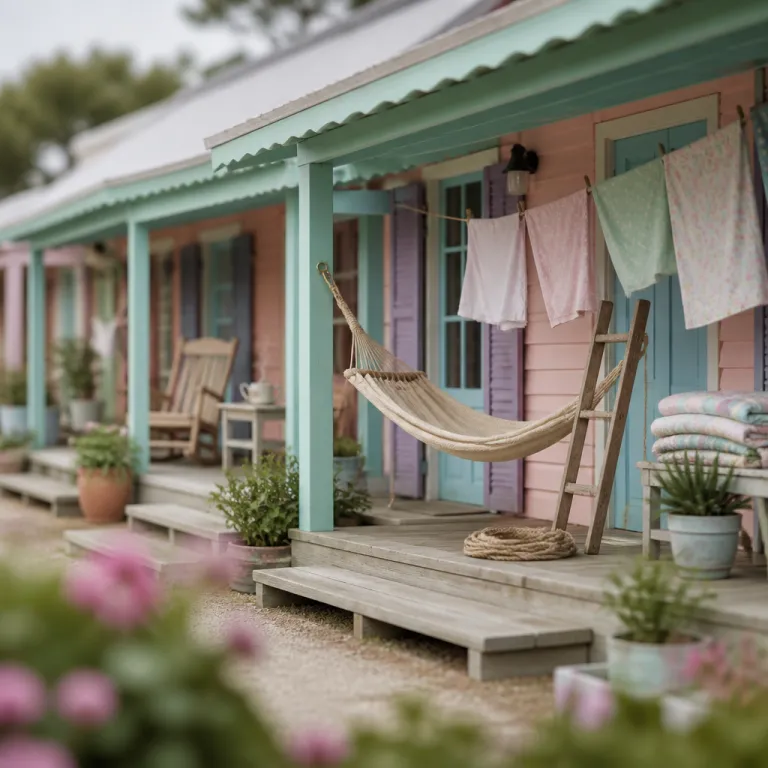
Rest as a design brief: how hushpitality rewrites the luxury hotel rulebook
In the new hushpitality movement, the restorative hotel treats silence as its most precious amenity. Instead of theatrical lobbies and statement chandeliers, these luxury hotels prioritise low sensory input, measured proportions and a hotel experience where your nervous system, not your Instagram feed, is the client. For business leisure travellers extending a work trip, this shift turns a simple hotel night into a calibrated retreat for body and mind.
Architects working in this space borrow from minimalist architecture, eco friendly designs and integration with nature to create buildings that actively lower stress. Documented precedents such as Paolo Soleri’s experimental town of Arcosanti in Arizona (planned from 1970 as an “urban laboratory” for low impact living) and Tom Kundig’s Rolling Huts in Washington State (completed 2007 as elevated, small footprint cabins) show how simple volumes, natural materials and integration with the landscape can make guests feel instantly grounded. ArchDaily’s coverage of Rolling Huts and Smithsonian Magazine’s reporting on Arcosanti both emphasise how these projects were conceived to reduce complexity, enhance relaxation and promote sustainable living, and that same ethos now underpins the most interesting wellness hotels in north America, south Africa and beyond.
For the traveller scrolling through hotel offers between meetings, the question becomes very practical. How do you check whether a supposed luxury hotel is genuinely a restorative lodging house or just a rebranded resort with a louder spa wellness programme. Look for a design forward approach where hospitality teams talk about light, sound and rooms layout as much as they talk about the spa, and where the promise is a quiet wellness journey rather than a packed schedule of activities.
Architectural calm: light, sound and materiality doing the wellness work
Restorative design starts with light, because circadian rhythms do not care about your loyalty status. In a true rest focused hotel, glazing, shading and circadian lighting systems are tuned so that morning light feels crisp, midday light is softened and evening light supports melatonin rather than fighting it. When you arrive after a late flight to south africa or north america, this choreography of light can mean the difference between a fractured night and a deep reset.
Sound is the second pillar, and hushpitality treats acoustic comfort as non negotiable wellness. Walls are insulated beyond code, doors are weighted, corridors are carpeted and public spaces are zoned so that the community energy of the bar never bleeds into the quiet of the rooms. Minimalist architecture, traditional construction methods and modern acoustic techniques work together so that the loudest sound in your luxury hotel suite is the rustle of linen when you turn over.
Materiality completes the triad, with natural woods, stone and textiles chosen for their tactile calm rather than their photogenic sheen. Many of the most compelling lodging houses are heritage conversions where thick masonry walls, deep window reveals and human scaled proportions already support rest; when historic buildings become lodging houses, the best architects simply strip back visual noise and let the bones breathe. In this context, a restorative hotel is less about adding features and more about removing friction, so that wellness is embedded in every surface you touch.
From spectacle to stillness: why these lodging houses feel different from wellness resorts
Traditional spa resorts often sell a programme, while hushpitality properties sell the absence of one. At a quiet wellness hotel, there may be a spa or spa wellness area, but it is deliberately understated, sometimes just a single treatment room, a plunge pool and a quiet terrace with a long view into nature. The architecture carries most of the wellness load, so guests can opt in or out of treatments without feeling they have wasted the hotel offers they booked.
This is where the difference from classic wellness resorts becomes clear. Instead of sunrise boot camps and tightly scheduled classes, you might find a small library, a shaded courtyard and rooms with deep window seats framing mountain views or a calm urban courtyard. In guest feedback from several design forward wellness hotels, operators consistently report that visitors sleep longer, use fewer facilities yet rate their overall hotel experience higher, because the building itself has been designed as a retreat.
For travellers used to art heavy city hotels, this quieter approach can feel surprisingly luxurious. Architectural developments now focus on designs that promote simplicity, encourage relaxation and provide low cost lodging without sacrificing elegance, and you can see this in properties where the hallway art collection tells you more than the welcome email. If you are curious about how characterful lodging houses are redefining expectations beyond the typical resort, our guide to contemporary art installations and immersive design experiences in El Paso hotels shows how sensory control, not spectacle, is becoming the new benchmark.
Global case studies: from costa rica to south africa, buildings that let you do less
Across costa rica, a new generation of lodging houses uses restorative design to turn jet lag into a wellness journey rather than a travel tax. In the hills above san jose, for example, small luxury hotels with only a handful of rooms orient every bed toward the valley view, using cross ventilation and deep eaves so that air and light, not air conditioning, regulate comfort. Architects interviewed in regional design journals note that these costa rican properties often pair a compact spa wellness pavilion with walking paths into surrounding nature, inviting guests to let the landscape, not a schedule, reset body and mind.
On the pacific side near puerto escondido and along the california rugged coastline, architects are experimenting with cabins and low slung lodging houses that sit lightly on the land. Here, the restorative retreat might be a cluster of timber volumes raised on stilts, echoing the spirit of Tom Kundig’s Rolling Huts, where minimal footprint and maximum view define the experience. Guests move between rooms, decks and shared fire pits, feeling part of a small community without the social pressure of a large resort.
Further south in south africa and across wider africa, the most interesting wellness hotels are rethinking the safari template. Instead of theatrical lodges, you will find design forward retreats that use raw stone, clay plaster and generous overhangs to frame mountain views and savannah horizons, letting the daily drama of light and weather become the entertainment. In industry case studies, owners describe how this rest led luxury hotel model can be both an award winning destination and a quiet sanctuary, proving that hospitality can support local culture and conservation while still giving guests permission to do almost nothing.
The business case for hushpitality: why doing less drives loyalty
For owners and operators, the hushpitality model is not just a design philosophy; it is a performance strategy. Properties that embrace restorative lodging principles often report higher guest satisfaction scores, longer average stays and stronger repeat visitation, even when they offer fewer visible amenities. When travellers feel that a hotel has genuinely improved their sleep and stress levels, price sensitivity drops and loyalty deepens.
The economics are compelling because buildings designed for rest tend to be simpler to run. Minimalist architecture, eco friendly designs and integration with nature reduce the need for constant refurbishment, while smaller spas and fewer programmed activities lower staffing and energy costs. Research into these architectural developments highlights objectives such as providing low cost lodging, promoting simplicity and encouraging relaxation, and those same objectives translate into leaner operations and better margins for wellness hotels.
For guests, the business case shows up as value rather than spectacle. When you check into a lodging house that has been profiled in our guide to why travellers are choosing character over chain, you are effectively choosing architecture as your primary amenity. The most successful hushpitality properties understand that every corridor, stair and window is part of the wellness journey, and they design each detail so that your body and mind can finally exhale after the last meeting ends.
FAQ
What exactly is a restorative hotel design lodging house ?
A restorative hotel design lodging house is a property where the architecture, interior design and operations are all focused on helping guests decompress. Light, sound and material choices are calibrated to support sleep, reduce stress and encourage unstructured time rather than constant activity. The goal is to let the building itself deliver a wellness experience without requiring guests to follow a programme.
How is hushpitality different from a traditional wellness resort ?
Hushpitality prioritises quiet, low stimulation environments over extensive facilities and scheduled classes. You may still find a spa, a small gym or a pool, but they are secondary to the calming effect of the rooms, circulation spaces and views. In a traditional wellness resort, the value is often tied to how many activities you can book, while in hushpitality properties the value lies in how little you feel obliged to do.
What should I check before booking a restorative lodging house ?
Look for clear information about light, acoustics and room layout rather than just amenity lists. Floor plans, orientation to views, materials and any mention of circadian lighting or acoustic dampening are strong indicators of a restorative approach. It is also wise to research accommodations in advance, prepare for minimal amenities and embrace simplicity as part of the experience.
Are minimalist, rest focused properties suitable for business travellers ?
Yes, these lodging houses are particularly well suited to business leisure travellers who need to recover between meetings. Many offer well designed work surfaces, strong connectivity and quiet rooms, so you can focus during the day and genuinely rest at night. The absence of a packed activity schedule means you can adapt the stay to your own rhythm.
Do restorative design hotels have to be expensive luxury properties ?
Not necessarily, because the core principles come from minimalist architecture and thoughtful integration with nature rather than from costly finishes. Smithsonian Magazine’s coverage of Arcosanti and ArchDaily’s documentation of the Rolling Huts show that simple, well proportioned spaces can feel restorative without being lavish. The key is a clear design intent to reduce complexity, enhance relaxation and support well being through the built environment.
Sources
Smithsonian Magazine (features on Arcosanti and experimental communities); ArchDaily (project documentation for Rolling Huts and related minimalist retreats); Wikipedia (background on Paolo Soleri, Arcosanti and Tom Kundig).