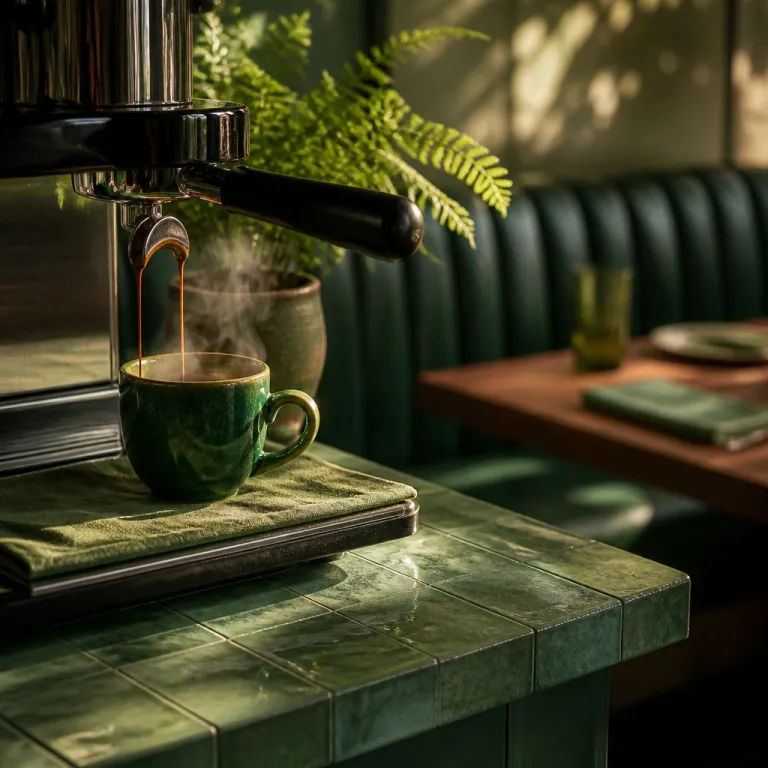
Choosing a restaurant hotel where every meal feels like a destination
When you select a luxury restaurant hotel, you are not just choosing a place to sleep but curating every dining moment of your trip. The most memorable properties treat food and drink as a central experience, weaving the restaurant, bar, and in-room dining into a seamless narrative from breakfast to the last nightcap. Look for a place where the dining room, the view, and the menu feel thoughtfully connected to the local culture and to the way you like to eat and drink.
Start with the basics and check availability early, especially if you plan to travel between January and December when award-winning chefs often host special events. On a premium booking website for lodging houses, use filters such as “on-site restaurant,” “free breakfast,” and “bar/lounge” to narrow your search, then learn how each hotel presents its dining experience, from breakfast and lunch options to late evening bar grill concepts. Properties that highlight seasonal menus, locally sourced produce, and farm-to-table partnerships usually care deeply about every plate of dishes they serve, as seen at well-known restaurant hotels such as The French Laundry’s partner inn in Yountville or Addison at Fairmont Grand Del Mar in San Diego.
Pay close attention to how the restaurant hotel describes its breakfast because this sets the tone for the entire stay. A refined breakfast with fresh pastries, light bites, and locally sourced fruit in your room or in a sunlit dining room can transform a simple room into a sanctuary. When you book, confirm whether breakfast is included, whether room dining is available, and how the hotel handles special dietary needs so you can fully enjoy every food and drink pairing from morning to night.
From breakfast to late bar service: mapping your full day of flavors
A well curated restaurant hotel will guide you through the day with a rhythm of meals that feels both indulgent and effortless. You might begin with breakfast and brunch combinations that move from a slow morning in your room to a more social midday dining experience in the main restaurant. The best hotel teams understand that guests want to enjoy both quiet moments and lively occasions, so they design flexible menus and spaces that adapt to your mood.
Look for a restaurant hotel where the chef has crafted a menu that evolves from light bites at noon to a more elaborate lunch and dinner service in the evening. When a hotel highlights farm-to-table concepts, sustainably sourced ingredients, and locally sourced seafood or vegetables, you can expect fresh flavors that reflect the local region rather than generic international dishes. In destinations such as San Diego, for example, a strong focus on coastal flavors and seasonal produce can turn every dining room visit into a lesson in the area’s culinary identity, with dishes like Baja-style fish tacos, ceviche with Pacific-caught seafood, or citrus-forward salads built around regional farms.
Do not overlook the bar and bar grill areas, which often provide some of the most relaxed food and drink experiences in a restaurant hotel. A sophisticated bar with a terrace view can be ideal for guests who want to eat and drink casually while still enjoying the same quality of sourced ingredients found in the main restaurant. When you check availability for tables, ask whether the bar offers a separate menu or whether you can order signature dishes from the main dining room so you can plan each experience around your preferred atmosphere.
Fine dining, inn spa retreats, and room dining for complete indulgence
Many travelers choose a restaurant hotel because they want fine dining without leaving the property after a long journey. In luxury lodging houses, the combination of an inn spa and a refined restaurant allows you to move from a massage to an elegant dining experience without ever stepping outside. This integration of spa, room, and restaurant services is one of the clearest signs that a hotel understands how to create a holistic stay.
When you book a restaurant hotel with an inn spa, study how the hotel coordinates spa treatments with room dining and restaurant reservations. Some properties in San Diego and other coastal cities, for example, offer wellness menus that feature light bites, fresh juices, and locally sourced dishes designed to complement spa programs. A thoughtful hotel will offer to schedule your dining room times around your treatments so that you can enjoy fine dining without feeling rushed or overly full.
Room dining is another essential element for guests who value privacy and flexibility during their stay. In a true luxury restaurant hotel, in-room dining should mirror the quality of the main restaurant, with a curated menu, seasonal flavors, and even suggested food and drink pairings. When you check availability for rooms, ask to see the room dining options in advance so you can learn whether the hotel can provide everything from breakfast and lunch trays to late night light bites that match your expectations.
Seasonal menus, Friday Saturday energy, and live music atmospheres
Seasonality is one of the most reliable indicators of quality in any restaurant hotel that aspires to fine dining standards. When a chef designs a menu that changes between January and December, you benefit from sourced ingredients at their peak and a dining experience that never feels static. Pay attention to how the hotel describes its seasonal dishes, whether they highlight local seafood, farm table vegetables, or regionally inspired desserts.
Weekends often reveal the true character of a restaurant hotel, especially on Friday and Saturday evenings when both hotel guests and local residents gather. Many luxury properties use these nights to showcase live music in the bar or dining room, creating a vibrant atmosphere that still respects the comfort of guests in their room. If you enjoy energy and social interaction, look for a hotel that promotes live music and special tasting menus, but if you prefer quiet, ask how sound is managed between the bar grill and the accommodation areas.
Some restaurant hotels also organize themed food and drink events during December, pairing festive flavors with curated wine lists or creative cocktails. These evenings can be an excellent reason to book a particular hotel, especially if you want to explore local culinary traditions in depth. When you check availability around busy periods, reserve both your room and your preferred dining room times at once so you do not miss the most sought after dishes and performances.
Architecture, sense of place, and how a restaurant hotel frames the view
The physical design of a restaurant hotel shapes how you experience every meal, from breakfast to the last drink at the bar. Thoughtful architecture can frame a coastal view, a city skyline, or a tranquil garden so that each dining room moment feels connected to the destination. If you are curious about how lodging houses are designed for rest and contemplation, you can explore guides from reputable hospitality and architecture publications that explain how hotels are built for doing less and savoring more.
In many high end properties, the restaurant, bar grill, and inn spa are positioned to capture the best view at different times of day. You might enjoy breakfast and lunch on a terrace flooded with morning light, then move to a more intimate dining room for lunch and dinner as the sun sets. A well planned restaurant hotel will also consider the journey from your room to each dining space, ensuring that corridors, lounges, and even elevators feel like part of a coherent experience rather than an afterthought.
Design also influences how you eat, drink, and interact with other guests during your stay. Open kitchens allow you to learn more about the chef and the sourced ingredients, while private alcoves in the bar encourage quiet conversations over light bites and carefully mixed cocktails. When you book, look for visual clues in the photos and floor plans that show how the hotel uses architecture to enhance both the dining experience and the overall sense of place.
How to read reviews and use booking tools for the right culinary match
Online booking platforms have transformed how guests choose a restaurant hotel, but you still need to read between the lines. Focus on reviews that describe specific dishes, the quality of breakfast, and the professionalism of the dining room team rather than vague comments about the hotel. Remember the simple industry distinction that “A hotel provides lodging; a restaurant serves food.” because it helps you evaluate whether a property excels equally at both.
When you check availability on a luxury booking website for lodging houses, use filters and photos to learn how the restaurant hotel positions its culinary identity. Look for mentions of award winning chefs, farm table partnerships, and locally sourced produce, as these details usually signal a serious commitment to fine dining. Pay attention to how often guests mention the bar, bar grill, and inn spa, since these areas often reveal whether the overall dining experience feels cohesive or fragmented.
Before you book, create a simple plan for how you want to enjoy food and drink during your stay. Decide which meals you prefer in your room, which you want in the main dining room, and whether you would like to explore local restaurants outside the hotel for comparison. By aligning your expectations with what the restaurant hotel can genuinely offer, you give yourself the best chance of enjoying every view, every plate, and every carefully balanced set of flavors.
Key statistics on hotels, restaurants, and culinary travel
- Global hotel industry revenue was estimated at around 570 billion USD in 2022 according to Statista’s hotel market overview, underlining how competitive the hotel and restaurant hotel market has become for travelers seeking strong dining experiences.
- The number of restaurants worldwide has been reported at approximately 15 million by Statista in a 2021 food service industry report, which means that a restaurant hotel must differentiate itself through fine dining, sourced ingredients, and service to stand out for guests who love to eat and drink well.
- Hospitality services that combine lodging and dining services have a primary objective to provide comfortable accommodations and offer quality dining experiences, so choosing a restaurant hotel that clearly articulates both goals is essential for culinary focused trips.
Frequently asked questions about choosing a restaurant hotel
What is the difference between a hotel and a restaurant in a single property ?
A hotel provides lodging, meaning it offers a room, services, and facilities for overnight stays, while a restaurant serves food and drink to guests who may or may not be staying in the hotel. In a restaurant hotel, both functions are combined, but you should still evaluate the quality of the dining room separately from the accommodation. This helps you ensure that the dining experience meets your expectations for fine dining, breakfast, and room dining.
Can a hotel have more than one restaurant and bar ?
Many luxury properties operate several restaurants and bars under one roof to provide varied dining experiences. You might find a fine dining restaurant, a casual bar grill for light bites, and a lounge bar with live music on Friday and Saturday evenings. When you book, review each menu and check availability for different venues so you can plan where to eat and drink on each day of your stay.
Are all restaurants inside hotels, or can they be independent ?
Not all restaurants are part of hotels, and many operate independently in local neighborhoods. However, a strong restaurant hotel will often attract local residents as well as guests, which is a positive sign of quality. When you explore options, look for properties where the restaurant has its own reputation for fresh dishes, sourced ingredients, and an engaging dining room atmosphere.
How early should I book a restaurant hotel for peak periods ?
For popular destinations or special periods such as December holidays and major events, it is wise to book several months in advance. High demand for both rooms and dining room reservations can limit your options if you wait too long to check availability. Securing your room, key restaurant times, and any inn spa treatments together ensures a smoother and more enjoyable dining experience throughout your stay.
What should I look for in reviews when food is my priority ?
When food is central to your trip, focus on reviews that describe specific dishes, the consistency of breakfast, and the professionalism of the chef and service team. Comments about locally sourced produce, farm table partnerships, and fine dining tasting menus are especially valuable indicators. Reviews that mention the bar, bar grill, and room dining quality will also help you understand whether the restaurant hotel delivers a complete culinary experience from morning to night.