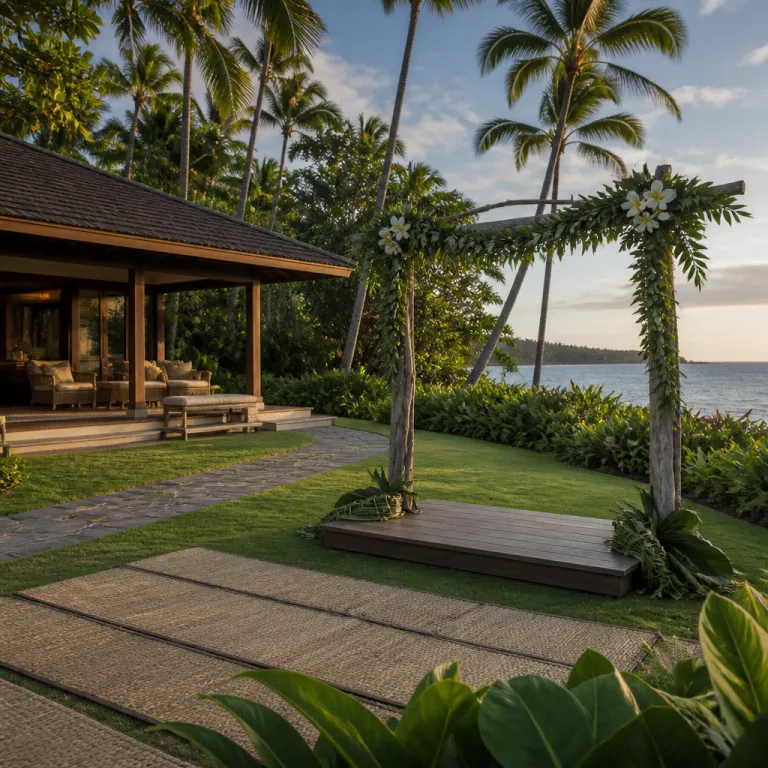
Why a traditional Hawaiian wedding ceremony elevates your luxury stay
A traditional Hawaiian wedding ceremony brings depth and meaning to a luxury escape in Hawaiʻi. When a couple chooses to weave Hawaiian culture into their wedding day, every detail of the ceremony and reception feels anchored in place and history. For travellers booking premium lodging houses, this blend of refined comfort and traditional ritual turns a simple stay into a lifelong memory.
On a curated luxury platform, you can filter lodging houses that work regularly with a local Kahu, the officiant who conducts the wedding ceremony and offers blessings. These properties understand how Hawaiian weddings honour wedding traditions such as the blowing of the conch shell, the chanting that calls in ancestors, and the lei exchange that symbolises unity and love. This expertise matters, because a traditional Hawaiian wedding ceremony is not a themed performance; it is a sacred commitment on Hawaiian land, guided by protocols that many couples would not know on their own.
Many high end lodging houses in Hawaiʻi now design packages where couples can hold the ceremony on a quiet oceanfront lawn, then move seamlessly to an elegant ceremony reception on site. The best teams coordinate musicians for soft hula performances, arrange native flowers and ti leaves, and ensure the spirit of aloha flows through every moment. When you book through a specialised luxury and premium booking website, you gain access to vetted partners who respect Hawaiian traditions and protect the surrounding ʻāina, the land that hosts your big day, while still delivering discreet, contemporary luxury.
Key rituals in a traditional Hawaiian wedding ceremony
Several core rituals define a traditional Hawaiian wedding and distinguish it from other destination wedding styles. The ceremony usually begins when the Kahu blows the conch shell toward the sea, the sky, the land, and the couple, announcing the start of the wedding and inviting blessings from ancestors. As one explanation from the Hawaiʻi Tourism Authority notes, the pū (conch shell) is sounded “to call people together and to acknowledge the presence of the natural elements and the kūpuna, or ancestors,” a reminder that the wedding unfolds in relationship with the surrounding world.
Chanting often follows, grounding the wedding ceremony in Hawaiian culture and setting a reverent tone for the exchange of vows. During the lei exchange, the couple places fragrant flower garlands over each other’s shoulders, and, as cultural practitioners frequently explain, the circle of the lei symbolises love, respect, and unity that has no end. Many Hawaiian weddings also include the sharing of Ha, the breath of life, where couples touch foreheads and inhale together; Kahu and cultural advisors describe this as the sharing of life and spirit, a quiet moment when the world seems to fall away and only the two of you remain.
Some lodging houses can arrange a sand ceremony on the beach, where the couple pours sand from two vessels into one, echoing the way the ocean shapes Hawaiʻi’s shores. Rings may be dipped in ocean water or blessed with ti leaf, reinforcing the bond between the wedding traditions and the surrounding land. When you plan through a premium booking website, you can request which traditional Hawaiian elements you want, from a lei exchange with fresh island blooms to a hula performance during the reception that celebrates both family and aloha ʻāina, while still tailoring the flow to your own story.
Choosing the right luxury lodging house in Hawaiʻi for your big day
Selecting the right lodging house in Hawaiʻi shapes every aspect of your traditional Hawaiian wedding ceremony. For couples who value privacy, a small oceanfront estate or hillside villa allows the wedding day to unfold without crowds, while still offering five star service and refined suites. Larger families may prefer a historic lodging house near the coast, where multiple rooms and shared lounges make it easy to gather before and after the ceremony reception.
On a dedicated luxury booking website, look for properties that highlight experience with Hawaiian weddings and clearly reference Hawaiian culture in their event descriptions. Ask whether the team works with a regular Kahu, how they handle the lei exchange, and whether they can arrange a sand ceremony or hula performance on site. The most reliable lodging houses will also advise on practicalities such as respecting quiet hours, protecting the land during the ceremony, and planning for shifting coastal weather in Hawaiʻi, including wind, salt spray, and sudden showers.
Some travellers pair a Hawaiʻi wedding with a European pre honeymoon, using refined spa stays such as elegant hotel sauna stays in Paris for wellness escapes before flying to the islands. Whether you arrive from Paris or another long haul destination, confirm that your chosen lodging house can host both the wedding ceremony and the reception, so guests are not shuttled between venues. This integrated approach lets the couple focus on their love, their wedding vows, and the spirit of aloha, while the property’s team manages timing, décor, and discreet luxury touches.
Cultural immersion and respect for Hawaiian traditions
Immersing yourself in Hawaiian traditions during a wedding in Hawaiʻi requires more than adding a lei or a hula dance to the programme. A thoughtful couple will approach the traditional Hawaiian wedding ceremony as an opportunity to honour Hawaiian culture and the concept of aloha ʻāina, which expresses deep love and respect for the land. Luxury lodging houses that prioritise cultural immersion often collaborate closely with local cultural practitioners, musicians, and dancers to ensure authenticity and to avoid turning sacred practices into simple entertainment.
Before you are married in Hawaiʻi, ask your lodging house to arrange a briefing with the Kahu or cultural advisor who will explain the meaning of each ceremony element. You might learn why certain chants are chosen, how the lei exchange reflects both family ties and romantic love, and why eco friendly practices such as using native plants or limiting plastic décor align with the spirit of aloha. Many couples also choose to include their families in preparations, inviting them to help weave ti leaf, prepare a simple sand ceremony vessel, or rehearse respectful behaviour on sacred land so everyone feels confident and at ease.
High calibre booking platforms now highlight lodging houses that support smaller, intimate weddings, which often align better with local expectations and environmental stewardship. These properties may offer menus featuring local ingredients such as kalua pig, taro, and fresh island fish, connecting the reception to the same land that hosted the wedding ceremony. When your wedding day reflects both your personal tradition and Hawaiian traditions, guests leave with a deeper understanding of Hawaiʻi rather than just a postcard memory, and your celebration contributes positively to the place that welcomed you.
Planning logistics, costs, and guest experience for a Hawaiʻi wedding
Planning a destination wedding in Hawaiʻi through a luxury lodging house involves clear logistics and realistic budgeting. Recent data from The Knot Wedding Report indicates that the average wedding cost in Hawaiʻi is in the mid thirty thousand USD range, which reflects both the premium of island services and the popularity of Hawaiʻi weddings. When you use a specialised booking website, you can compare lodging houses by capacity, ceremony locations, and included cultural elements, then align these options with your budget and guest list.
Start by confirming whether the lodging house can host both the wedding ceremony and the reception, as a combined ceremony reception often reduces transport costs and simplifies the guest experience. Ask about back up indoor spaces in case of rain, especially if your traditional Hawaiian wedding ceremony will take place on an exposed lawn or beachfront. Many couples also plan a welcome evening or farewell brunch at the same property, turning the wedding day into a multi day celebration where family and friends can relax together and adjust gently to the time zone.
Guest comfort matters as much as ritual detail, so consider room categories, accessibility, and on site amenities when choosing where you will be married in Hawaiʻi. Some lodging houses offer spa treatments, guided cultural walks, or gentle hula lessons that help guests connect with Hawaiian culture before the big day. A well designed itinerary might include a rehearsal of the lei exchange, a short talk on aloha ʻāina, and time for guests to write personal wedding vows, ensuring that everyone feels part of the ceremony rather than just watching from a distance.
Culinary and sensory details that complete the Hawaiian wedding experience
The flavours, sounds, and textures surrounding a traditional Hawaiian wedding ceremony can be as memorable as the vows themselves. Luxury lodging houses in Hawaiʻi often collaborate with local chefs to design menus that showcase regional ingredients, from slow roasted kalua pig to fresh tropical fruit and island caught seafood. When these dishes are served during the reception, they extend the connection between the wedding traditions and the land that nourishes everyone present.
Music and movement also play a central role, with many couples choosing live musicians and graceful hula performances to accompany the lei exchange or the first dance. A carefully curated playlist might blend Hawaiian love songs with gentle contemporary pieces, allowing the spirit of aloha to carry through the entire wedding day. Lighting, floral design, and even the texture of linens can echo natural elements such as sand, ocean, and lava rock, creating a cohesive sensory story that guests remember long after they fly home.
For couples booking through a premium website, it is wise to request sample menus, décor mood boards, and clear details on what is included in each package. Some lodging houses offer late night snacks inspired by local street food, while others arrange a quiet beachside moment after the ceremony where the couple can share private wedding vows under the stars. When every detail, from the first conch shell call to the final toast, reflects both your love and Hawaiian traditions, your Hawaiʻi wedding becomes a refined yet heartfelt expression of shared life on this remarkable land.
Key figures and trends for luxury Hawaiian weddings
- The average wedding cost in Hawaiʻi is reported in the mid thirty thousand USD range by The Knot Wedding Report, placing a Hawaiʻi wedding among the higher priced destination wedding options in the United States.
- Smaller, intimate weddings are increasingly common in Hawaiʻi, as couples prioritise cultural authenticity, eco friendly practices, and meaningful time with family over large guest counts.
- Many luxury lodging houses in Hawaiʻi now promote eco conscious ceremonies that incorporate native plants and minimise single use plastics, aligning with the principle of aloha ʻāina and local environmental goals.
- High end properties frequently report strong demand for on site ceremonies that combine a traditional Hawaiian wedding ceremony with a same venue reception, simplifying logistics for destination guests.
FAQ about traditional Hawaiian wedding ceremonies in luxury lodging houses
How does a traditional Hawaiian wedding ceremony usually unfold ?
A traditional Hawaiian wedding ceremony often begins with the blowing of a conch shell, followed by chanting, a lei exchange, wedding vows, and sometimes the sharing of Ha, the breath of life. The Kahu leads the couple through each step, explaining the meaning of the rituals and blessing the union. Many ceremonies conclude with rings blessed by ocean water or ti leaf, linking the marriage to the surrounding land and sea.
Can a luxury lodging house host both the ceremony and the reception ?
Many luxury lodging houses in Hawaiʻi are designed to host both the wedding ceremony and the reception on site. Oceanfront lawns, terraces, or courtyards may be used for the ceremony, while covered pavilions or dining rooms accommodate the reception. Hosting both parts of the wedding day at one property simplifies transport, enhances guest comfort, and allows the décor and cultural elements to remain cohesive.
Is it necessary to work with a Kahu for a Hawaiian wedding ?
Working with a Kahu is strongly recommended if you wish to hold a traditional Hawaiian wedding ceremony that respects Hawaiian culture. The Kahu understands the chants, blessings, and protocols that give the ceremony depth and authenticity. Many luxury lodging houses maintain relationships with trusted Kahu and can coordinate introductions and scheduling on your behalf.
How can couples show respect for Hawaiian traditions and the land ?
Couples can show respect by learning about Hawaiian traditions in advance, following guidance from the Kahu, and choosing lodging houses that practise aloha ʻāina through sustainable operations. Simple actions such as limiting single use décor, using native plants, and keeping ceremony areas clean demonstrate care for the land. Involving local musicians, dancers, and artisans also supports the community that hosts your wedding day.
What should guests expect at a traditional Hawaiian wedding ceremony ?
Guests at a traditional Hawaiian wedding ceremony can expect a calm, reverent atmosphere with chanting, the sound of the conch shell, and the fragrance of fresh lei. They may be invited to wear leis themselves, participate in blessings, or share in a sand ceremony or group prayer. Dress codes are usually resort elegant, and lodging houses often provide guidance on respectful behaviour and timing so guests feel comfortable throughout the celebration.
References
- The Knot, Wedding Report, data on average wedding costs in Hawaiʻi (consult the most recent edition available on theknot.com for updated figures and methodology).
- Hawaiʻi Tourism Authority, cultural guidelines and visitor education materials on respectful engagement with Hawaiian culture, including explanations of the pū and protocols for cultural ceremonies.
- Office of Hawaiian Affairs, resources on Hawaiian culture, ʻāina stewardship, and community protocols that can inform wedding planning and land based practices.