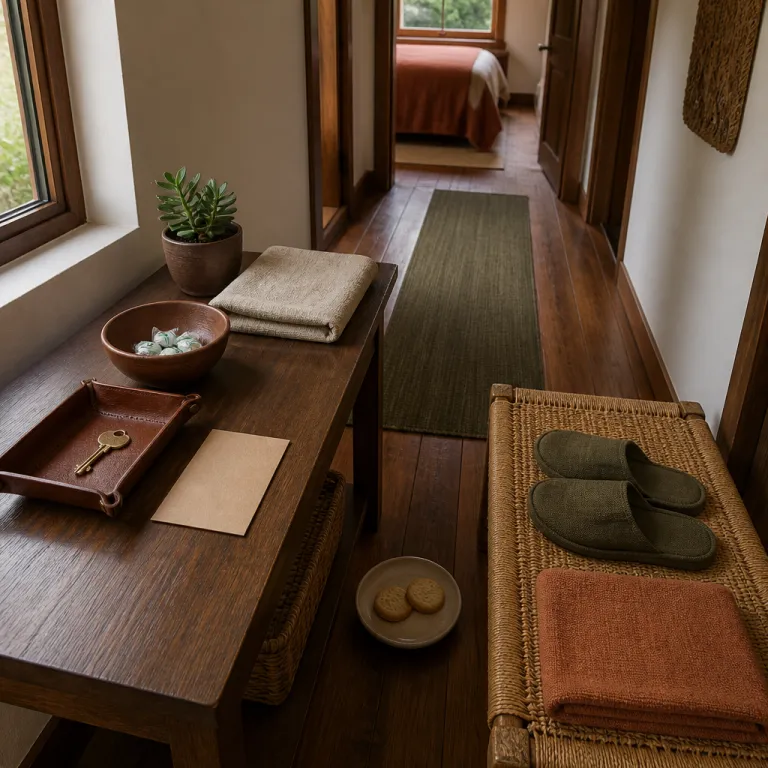
Why the first ten minutes decide your luxury lodging house story
You cross the threshold of a luxury lodging house and everything tightens or softens at once. Neuro aesthetic research shows that first impressions form in under 30 seconds, and in hospitality those seconds quietly script the entire luxury lodging house arrival experience. For a couple on luxury travel, those first ten minutes decide whether the stay will feel like a private romance or a polished transaction.
In a large hotel, the choreography often starts with a queue, a bright lobby and a brisk hotel check at the front desk. Lodging houses, palaces converted into intimate retreats and discreet resort style lodges can instead stage the arrival as a narrative opening, where the guest experience begins before any passport appears. When hotels understand that the first 10 minutes influence the entire stay, they design every gesture, scent and word to enhance guest comfort rather than to process a booking.
Research in hospitality consistently shows that guests form impressions within the first 7 minutes, and that the first 10 minutes of a hotel stay are important because it sets the tone for the entire experience. That is why the best luxury lodging houses treat the arrival as a sensory threshold, not an administrative hurdle. For the hotel guest, the emotional register set here will colour every later room service tray, every late check request and every memory they share after departure.
From lobby noise to hushpitality: how decompression replaces performance
Hushpitality has become the quiet rebellion against the theatrical hotel lobby arrival. Instead of a blast of music and a long hotel check line, couples step into softened lighting, low voices and a staff friendly presence that feels more like a homecoming than a performance. The aim is simple yet radical in luxury hotels ; create a decompression buffer between the journey and the stay.
In a refined lodge or converted city palace, hushpitality means no shouted welcomes, no clattering luggage carts and often no visible front desk at all. A host meets the guests by name, offers a first drink and guides them directly toward their hotel room, letting the formalities wait until the guest experience has already begun to feel grounded. Properties that master this approach understand that staff demeanor, lobby ambiance, and check in efficiency are the factors that influence first impressions in hotels.
Some of the best luxury addresses in hong kong now dim the lobby, remove background music and prioritise immediate room access for long haul luxury travel arrivals. At a hillside sanctuary lodge in Peru or a Mediterranean villa such as the George Washington Smith estate in Montecito, presented as a place to experience timeless elegance, the arrival often begins outdoors with a garden walk that slows the pulse. This is hushpitality in practice ; the luxury experience starts with silence, space and a sense that your room, not the reception, is the true centre of the hotel experience.
Rituals, not reception: how small properties turn arrival into theatre
What distinguishes a memorable luxury lodging house arrival experience is not marble, but ritual. A small lodge or sanctuary lodge can stage a tea ceremony on the terrace, a hand washing ritual with local botanicals or a short garden stroll that introduces the landscape before the room. These gestures transform a standard hotel arrival into a story that couples will share long after the stay.
In contrast to many large hotels, where the front desk dominates the first view, lodging houses often hide the administrative side of hospitality. The hotel staff host greets guests at the door, takes luggage with an easy assurance and invites them to sit while a quiet hotel check happens on a tablet beside a glass of chilled water or a regional wine. For the hotel guest, the message is clear ; you are here to feel rested, not processed.
Resort style properties and coastal houses, such as premium island rentals that elevate your island getaway with premium amenities and family friendly options, increasingly borrow these rituals from luxury hotels and adapt them for couples. A private welcome drink on a veranda, a short orientation walk to the pool and spa, or a sunset briefing about the best local restaurants all enhance guest expectations before the first night. When the arrival is handled as theatre, the hotel room becomes the second act, not the opening scene.
The psychology of transition: why couples need a threshold moment
After a long flight or drive, the human nervous system is still in transit even when the passport is stamped. The luxury lodging house arrival experience works best when it acknowledges this psychological lag and offers a clear threshold between travel and stay. For couples, that threshold can be the difference between a rushed hotel experience and a genuinely restorative escape.
Psychologists describe this as a liminal phase, a short period when the brain rewrites context and expectations. In hospitality terms, it is the first 10 minutes when hotel staff can either overload the guest with information or gently guide them into the new rhythm of the lodge, resort or palace. When hotels provide warm greetings and efficient check ins, they respect the cognitive bandwidth of tired guests and quietly build trust.
Luxury hotels that understand this psychology design arrivals with fewer decisions and more sensory cues. A staff friendly host might say almost nothing beyond a welcome and an offer to take bags, letting the scent of the lobby, the texture of the flooring and the proportions of the staircase do the narrative work. For the hotel guest, the feel of that first hallway often says more about the best luxury intentions of the property than any later service recovery gesture.
From key card to first night: details that define the guest experience
Once the formal check is complete, the next five minutes can either elevate or erode the luxury lodging house arrival experience. A thoughtful host walks with the guests to the hotel room, sets the pace to match their energy and offers only essential information. This is where the guest experience shifts from public hospitality to private sanctuary.
In the room, the best luxury properties avoid a scripted tour and instead read guest expectations in real time. Some couples want every switch explained, others prefer silence and a quick handover of the key card, with an invitation to call the front desk or concierge services later for anything they wish to enhance guest comfort. The details that signal care are simple ; luggage already placed on racks, curtains drawn or opened according to light, a first drink waiting and a discreet check that the temperature feels right.
Well run hotels also anticipate practical needs that can otherwise disrupt the first evening. Clear information about late check options, breakfast times and how to reach a staff friendly night host prevents small frictions from overshadowing the initial luxury experience. For the hotel guest, these touches make the room feel immediately theirs, turning a neutral hotel stay into a private chapter of their own travel story.
What great lodging houses do differently from large hotels
Lodging houses have a structural advantage when it comes to the luxury lodging house arrival experience. With fewer rooms and a smaller flow of guests, they can align every arrival around the individual couple rather than around operational peaks. This intimacy allows the hotel staff to move from hosts behind a desk to companions at the door.
In a grand luxury hotel or palace style resort, the scale often demands standardised scripts and visible queues, even when the service is impeccable. By contrast, a well run lodge or sanctuary lodge can time arrivals, dim lights and adjust music or silence to match each guest experience, embodying the hushpitality trend without fanfare. The result is a luxury experience that feels less like entering a brand and more like stepping into a private residence.
Some of the most admired luxury hotels, from urban icons in hong kong to desert retreats near the Burj Arab in Dubai, now carve out lodging house style wings or floors to replicate this intimacy. Others, such as Belmond Sanctuary Lodge at Machu Picchu, lean fully into the idea that the arrival should feel like entering a protected world at the edge of a vast landscape. For couples who value character over spectacle, these properties often deliver the best luxury balance between professional hospitality and the sense of staying in someone’s better life.
How concierge services quietly shape the first ten minutes
Concierge services are often associated with restaurant reservations and last minute tickets, yet their influence begins at the door. In a refined lodging house, the concierge équipe studies guest data before arrival to anticipate needs and shape the luxury lodging house arrival experience. For a couple on luxury travel, this can mean a room pre set to preferred temperature, a favourite wine waiting and a shortlist of neighbourhood walks ready to share without a single brochure.
At properties where the concierge and front desk operate as one seamless hospitality team, the first 10 minutes become a live calibration of guest expectations. A staff friendly host might notice signs of jet lag and quietly prioritise immediate room access over a property tour, promising to enhance guest orientation later with a private briefing. When the concierge is involved from the first greeting, the hotel stay feels less like a series of requests and more like an ongoing conversation.
Some wellness focused lodging houses, including those highlighted in guides to wellness lodging houses where longevity programs and holistic stays are rewriting hospitality, now integrate concierge services with spa and nutrition teams. The arrival then includes a gentle question about energy levels and preferences, allowing the hotel guest to shape the first evening around rest, movement or a simple room service dinner. In this model, the concierge becomes the quiet architect of the entire hotel experience, starting with those crucial first ten minutes.
What the icons teach us: from hong kong towers to mountain sanctuaries
Iconic luxury hotels offer a masterclass in how arrival rituals can define a property’s legend. In hong kong, harbourfront hotels use sweeping views as the first emotional note, guiding guests straight to picture windows before any paperwork appears. The luxury lodging house arrival experience here is about height, light and the feel of the city unfolding beneath the room.
At desert landmarks near the Burj Arab, the arrival often begins long before the lobby, with a chauffeured drive that frames the skyline like a film sequence. By the time the hotel guest steps into the cool interior, the narrative of the stay is already underway, and the front desk interaction becomes a brief interlude rather than the main event. Mountain properties such as Belmond Sanctuary Lodge, perched at the gateway to Machu Picchu, reverse the script again by using silence and altitude as their opening gesture.
Across these very different hotels, the pattern is consistent ; the best luxury addresses use architecture, landscape and service choreography to shape the first ten minutes. They understand that the guest experience is not defined by the number of staff friendly smiles, but by how quickly the room, the view or the garden begins to feel like a private refuge. For couples choosing their next lodge, resort or palace, paying attention to how a property talks about arrival can be the most reliable predictor of the stay that follows.
FAQ
Why are the first ten minutes of a hotel stay so important ?
The first ten minutes matter because they set the emotional tone for the entire stay. Research in hospitality shows that guests form impressions within the first seven minutes, and that these impressions strongly influence satisfaction and loyalty. When the arrival feels calm, personal and well paced, couples are more forgiving of small issues later in the hotel experience.
How can hotels improve the arrival experience for couples ?
Hotels can improve arrivals by focusing on decompression rather than performance. This means soft lighting, minimal noise, swift access to the room and a staff friendly host who reads guest expectations instead of following a rigid script. Simple gestures such as a welcome drink, discreet luggage handling and a short room orientation often do more than elaborate lobby theatrics.
What factors most influence first impressions during check in ?
The main factors are staff demeanor, lobby ambiance and the efficiency of the check in process. Couples notice whether the front desk feels like a barrier or a bridge, and whether the hotel staff seem rushed or genuinely attentive. Clear directions, a calm environment and respect for privacy all contribute to a positive luxury lodging house arrival experience.
Should I use digital check in or arrive during off peak hours ?
Arriving during off peak hours can reduce waiting time and allow more personalised attention from the hotel staff. Digital check in is useful when you want to go straight to your room, but it should complement, not replace, a warm in person welcome. For couples seeking a luxury experience, combining digital efficiency with a human greeting often delivers the best balance.
What can I do as a guest to make arrival smoother ?
You can help by having identification ready, informing the property of special requests in advance and sharing your approximate arrival time. If you know you will need a late check or early access to the room, communicate this before travel so the lodge or hotel can plan. Clear communication allows concierge services and front desk teams to tailor the first ten minutes to your needs.
References
Roomsium ; Aviator Bali ; American Hotel & Lodging Association.