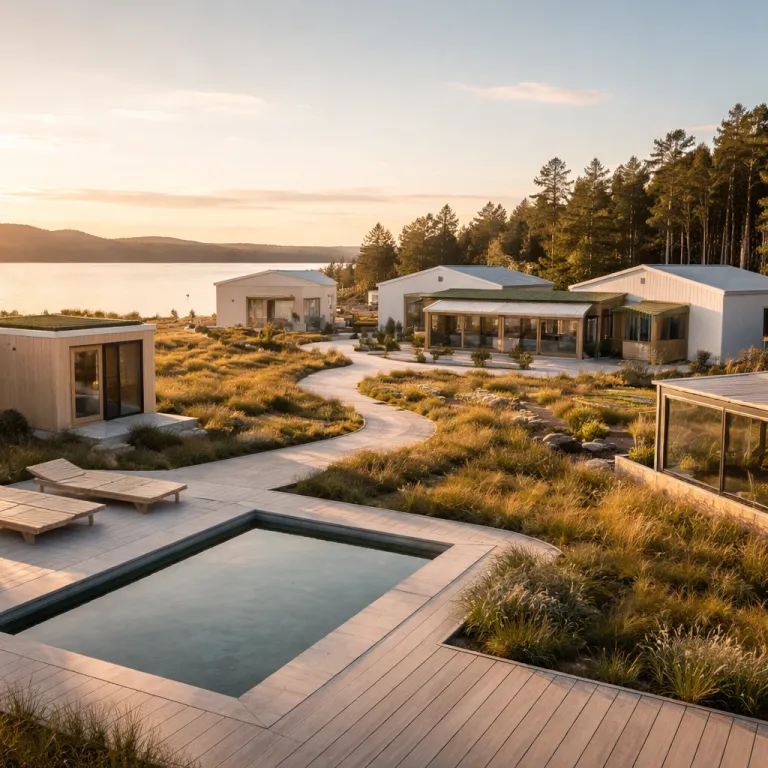
From hotel with spa to true wellness lodging house
Most travelers still equate wellness with a pleasant spa and a good massage. A new generation of wellness lodging houses and longevity retreats goes far beyond that, turning the entire hotel into a calibrated health ecosystem. In these properties, every corridor, scent, and light level is designed to work quietly on your nervous system and sleep-wake cycle.
The distinction between classic luxury hotels and a genuine wellness resort is now structural rather than cosmetic. Traditional hotels with spas tend to treat wellness as a department, while serious longevity-focused lodging integrates medical diagnostics, nutrition, and movement into the daily rhythm of the place. You feel it from the first health-focused welcome tea rather than a glass of champagne at check-in, and in the way staff talk about your stay as a program rather than a series of isolated spa appointments.
Think of it as the difference between a spa weekend and a wellness retreat with measurable outcomes. A spa area in a conventional hotel might offer treatments à la carte, but a wellness clinic integrated into a lodging house will prescribe those treatments as part of a multi-day protocol. That protocol is usually designed by medical and health experts who see the hotel as a live-in laboratory for better habits, often including baseline assessments, mid-stay check-ins, and a closing consultation.
Across the United States, properties such as Dao House in the Rockies or YO1 Longevity and Health Resorts in the Catskills illustrate how this shift plays out in practice. Both properties use nature immersion, digital detox, and holistic therapies to support long-term wellbeing rather than quick fixes. These examples are drawn from publicly available program descriptions and guest reports, which consistently highlight structured schedules and follow-up guidance rather than one-off spa days.
For solo explorers, this new category of wellness lodging offers something rare in hotel resorts. You gain the privacy and comfort of a luxury hotel, yet the structure and guidance of a curated wellness retreat. The result is an experience that feels indulgent and disciplined at the same time, with enough framework to change habits but enough freedom to process what you are learning.
Longevity architecture from lake lucerne to high altitude retreats
Architecture is now doing as much for wellness as any spa treatment menu. Around Lake Lucerne, the Bürgenstock Resort and the nearby Chenot Palace Weggis have become reference points for how buildings can choreograph light, air, and silence. Their rooms and suites are oriented to frame water and mountain views that quietly slow your breathing and support long-term health, echoing research on the restorative impact of natural vistas on stress markers.
At Bürgenstock Resort, the wellness concept is anchored by a vast spa complex that feels more like a private club than a hotel amenity. Guests move between saunas, pools, and relaxation rooms in a sequence that mirrors medical understanding of circulation and recovery. When you book a stay here, you are not just reserving a hotel room but buying into a daily ritual of contrast therapies and contemplative space, with hydrothermal circuits designed to encourage vascular resilience and deep relaxation.
High-altitude properties push this further by using elevation as a wellness tool. Shakti Prana’s eco lodge at around 2,100 metres, for example, is described in retreat materials as offering treetop meditation platforms and a yoga pavilion with views of Nanda Devi, turning thin air into part of the longevity protocol. The experience is not about ticking off a spa visit but about letting your circadian rhythm recalibrate to sunrise, mountain silence, and slow breathing, which can support improved oxygen efficiency over several days.
In the Middle East, the arrival of Six Senses in the United Arab Emirates signals another evolution in wellness lodging for longevity. The property is designed as a LEED-certified sanctuary where privacy and wellness-first architecture dictate everything from room layouts to circulation paths. Here, wellbeing is not hidden in a basement spa but expressed in shaded courtyards, natural materials, and air-quality systems that quietly protect your health by reducing noise, light pollution, and indoor pollutants.
These examples show how the best luxury wellness hotels are now built from the treatment room outward. A wellness clinic or longevity center often anchors the masterplan, with rooms, suites, restaurants, and movement studios radiating from that core. When you read the floor plan or study the property map, you can see whether wellness is central to operations or simply a marketing veneer added to a conventional resort layout.
Inside the new longevity clinics and biohacking rooms
The most advanced wellness lodging houses now integrate full-scale medical and wellness clinic facilities. Properties inspired by pioneers such as Clinique La Prairie in Switzerland or SHA Wellness in Spain combine medical diagnostics with spa rituals. You might arrive for a weekend and leave with a detailed map of your biomarkers and a plan for the next decade, including metrics such as blood lipids, inflammatory markers, body composition, and sleep patterns.
In this model, the hotel becomes a soft landing for serious health work. Guests check into rooms and suites equipped with biohacking tools, from circadian lighting to air purification and sometimes even infrared panels or recovery boots. The experience is still unmistakably luxury, but the design brief is to help you sleep well, digest well, and age well rather than simply feel pampered, aligning the environment with evidence-based recommendations on light exposure, temperature, and noise.
Longevity-focused resort concepts often draw inspiration from destinations such as Chenot Palace Weggis on Lake Lucerne or Chiva-Som in Hua Hin. At Chenot Palace Weggis, the Chenot Method combines medical assessments with hydrotherapy and targeted treatments that support detoxification and cellular repair, typically delivered in structured programs of several days. Chiva-Som in Hua Hin, by contrast, leans into Thai healing traditions while still offering structured health programs and a serious clinical team, blending local therapies with nutrition, physiotherapy, and mindfulness training.
Solo travelers should pay close attention to practitioner credentials when they book a stay in these hotel resorts. A genuine wellness retreat will list its medical directors, nutritionists, and physiotherapists as prominently as its chefs and designers. When you read the program descriptions, look for clear outcomes, defined durations, and follow-up support rather than vague promises of transformation, and do not hesitate to request sample schedules or practitioner biographies.
Even in North America, where regulation can be stricter, properties such as YO1 Longevity and Health Resorts or We Care Spa in Desert Hot Springs show how fasting, yoga, and nutritional counseling can be integrated into lodging. A stay here might include daily breakfast tailored to your program, scheduled treatments, and evening talks on health and longevity. The tone is calm and clinical rather than theatrical, which is exactly what you want when your body is doing serious work and adjusting to new routines.
How to evaluate wellness lodging houses before you book
Choosing between different wellness lodging options for longevity can feel overwhelming when every hotel claims a spa and a wellness philosophy. Start by asking whether wellbeing is central to the business model or simply a decorative layer. If the wellness clinic or spa area closes midweek or feels like an afterthought, you are probably in a conventional hotel with a nice pool rather than a purpose-built retreat environment.
Programming depth is your next filter when comparing wellness hotels and wellness resorts. Look for multi-day or multi-week protocols that integrate medical consultations, movement, nutrition, and treatments into a coherent arc. A serious retreat will often recommend a minimum stay length and structure your days with enough flexibility for rest but enough rigor to support real change, sometimes including pre-arrival questionnaires and post-stay check-ins.
Nutrition is another clear marker of authenticity in longevity-focused lodging. Properties that take health seriously will design menus with medical and nutrition teams, often adjusting daily breakfast and other meals to your program. When you read sample menus, you should see references to anti-inflammatory ingredients, blood-sugar stability, and gut health rather than only indulgent tasting menus, and you may notice options tailored to specific protocols such as intermittent fasting or low-glycemic plans.
For solo explorers, the social architecture of a wellness resort matters as much as the physical one. Some hotels encourage communal tables and group classes, while others, such as The Barnfield Suites on Bowen Island, are described in guest accounts as designed for quiet, extended stays focused on clarity and recovery. Decide whether you want a retreat-style experience with shared activities or a more private hotel stay with optional guidance and minimal social pressure.
Finally, use insider resources such as lodging house stay guides to cross-check marketing claims. An article on timeless elegance at a Montecito estate, for example, can teach you how to read between the lines of property descriptions and understand what “wellness longevity” really looks like in practice. When you book a stay through a curated platform or trusted advisor, you benefit from someone else having already tested whether the wellness promise holds up beyond the brochure and aligns with current evidence on rest, nutrition, and movement.
Signature experiences from dao house to hua hin
Real-world examples bring the idea of longevity travel into focus. In the Rocky Mountains, Dao House uses altitude, forest trails, and digital detox to create a retreat where your phone finally feels irrelevant. The wellness experience here is less about marble spa rooms and more about long walks, breath work, and evenings that end under a sky full of stars, which many guests describe as a reset for nervous-system overload.
Across the country, YO1 Longevity and Health Resorts in the Catskills offers a more medical-leaning model. Guests consult with health professionals on arrival, then follow personalized programs that might include yoga, Ayurveda, naturopathy, and hydrotherapy. The hotel infrastructure is comfortable and quiet, but the real luxury lies in having a team focused on your health from morning to night, with daily check-ins and adjustments based on how your body responds.
On the coast, Shou Sugi Ban House in the Hamptons shows how a small-scale property can still deliver serious spa experiences. Here, Japanese-inspired design, thermal suites, and precise treatments create a retreat atmosphere within easy reach of New York City. We Care Spa in Desert Hot Springs, by contrast, has built its reputation on fasting and detox programs that guests often repeat annually as part of a long-term longevity strategy, using structured juice fasts, colon hydrotherapy, and education sessions.
Internationally, destinations such as Chiva-Som in Hua Hin and SHA Wellness in Spain have become shorthand for integrated wellness lodging. At Chiva-Som, the combination of Thai hospitality, structured programs, and a beachfront setting creates a rhythm that solo travelers quickly fall into, with daily schedules that balance treatments, movement, and rest. SHA Wellness, perched above the Mediterranean, leans into medical diagnostics, nutrition, and cutting-edge treatments that attract guests from Switzerland, the Middle East, and beyond, often for multi-week stays.
These properties share a commitment to treating the hotel as a platform for better living rather than a stage set for short-term escape. Whether you choose a mountain retreat, a desert fasting center, or a coastal wellness resort, the common thread is a clear philosophy that runs from the rooms and suites to the spa circuit. When you book a stay with that level of coherence, longevity stops being an abstract idea and becomes something you can feel in your body through calmer sleep, steadier energy, and clearer focus.
Designing your own longevity focused stay
Once you understand the spectrum of wellness lodging houses for longevity, you can start designing your own ideal trip. Begin by clarifying whether you want a more medical program, a spa-centered reset, or a nature-based retreat. Your answer will determine whether you gravitate toward a clinic-style model, a classic wellness resort, or a quieter lodging house with strong movement and mindfulness offerings that you can follow at your own pace.
Solo explorers often benefit from starting with a structured retreat that includes assessments and follow-up recommendations. A stay at a property inspired by Chenot Palace Weggis, Clinique La Prairie, or SHA Wellness can give you a baseline understanding of your current health status. From there, you can use shorter wellness hotel stays throughout the year to maintain the habits and protocols you have learned, turning travel into a rhythm of intensive resets and lighter tune-ups.
When you book a stay, pay attention to the small details that shape daily life. Does the hotel include a genuinely nourishing daily breakfast aligned with your program, or is it a standard buffet with a wellness label attached? Are treatments scheduled in a way that respects your energy levels, with space for rest and reflection between sessions, and are there quiet zones where you can integrate what you are learning?
Think about how the rooms and suites support your goals during a longevity-focused stay. Look for features such as blackout curtains, adjustable lighting, and quiet mechanical systems that let you sleep well. Some of the best luxury wellness hotels now offer in-room yoga setups, meditation corners, or even small infrared devices that extend the spa experience into your private space, making it easier to keep up routines once you return home.
Finally, remember that longevity is a long game, not a single retreat. The most effective wellness lodging experiences are those you can realistically repeat or build upon, whether that means an annual week at a wellness resort or quarterly weekends at a trusted hotel with a serious clinic. When you read your own travel calendar as a health plan rather than a series of escapes, every booking becomes an investment in how you want to feel ten years from now, and each stay becomes one chapter in a longer wellbeing story.
Key figures shaping wellness and longevity travel
- Regular engagement in structured wellness practices is associated with improved quality of life and healthier aging in multiple observational studies, which underscores why dedicated longevity retreats are more than a passing trend and increasingly seen as part of preventive health strategies.
- Research from the Global Wellness Institute indicates that a majority of adults now engage in some form of wellness activity, creating sustained demand for wellness hotels, wellness resorts, and dedicated retreat programs worldwide and supporting continued investment in wellness-focused lodging houses.
- Many serious wellness lodging houses now recommend minimum stays of 7 to 14 nights for medical and longevity programs, reflecting clinical evidence that multi-day protocols are more effective than single spa treatments for shifting sleep patterns, metabolic markers, and stress levels.
- High-altitude wellness retreats such as mountain lodges around 2,000 metres use elevation to support cardiovascular health and sleep quality, aligning natural conditions with modern health strategies and drawing on research into acclimatization and oxygen utilization.
- Leading wellness clinics integrated into hotels report that repeat guests often return annually or biannually, treating their booking pattern as part of a long-term longevity plan rather than occasional indulgence, and using each stay to update biomarker data and refine lifestyle goals.
Frequently asked questions about wellness lodging house stays for longevity
What is a wellness retreat in the context of lodging houses ?
A wellness retreat in a lodging house is a stay where the entire environment, from rooms and suites to spa areas, is designed around health and longevity. A wellness retreat is a getaway focused on health and well-being through various activities and therapies. In practice, that means structured programs, guided treatments, and daily routines that support both physical and mental reset, often coordinated by a multidisciplinary wellness team.
How do wellness retreats promote longevity for travelers ?
Longevity-focused wellness lodging combines medical assessments, movement, nutrition, and recovery into coherent programs. How do wellness retreats promote longevity? They offer programs that enhance physical health, mental well-being, and lifestyle habits conducive to a longer life. When repeated over time, these stays help you embed healthier patterns into everyday life, from improved sleep hygiene to more consistent movement and mindful eating.
Are wellness lodging house stays suitable for every type of guest ?
Most wellness hotels and wellness resorts welcome a broad range of guests, from first-timers to experienced retreat-goers. Are wellness retreats suitable for everyone? Most are, but it's advisable to check specific programs to ensure they meet individual health needs. Solo travelers with complex medical histories should always share details with the wellness clinic team before they book a stay and may wish to consult their own physician in advance.
How long should I stay at a wellness lodging house for real benefits ?
Durations vary widely, from long weekends to several-week programs. How long do wellness retreats typically last? Durations vary from weekend stays to several weeks, depending on the program. For measurable shifts in sleep, stress, and metabolic health, many practitioners recommend at least 5 to 7 nights in a focused wellness lodging house stay for longevity, with longer stays reserved for more intensive medical or detox protocols.
What should I bring to a longevity focused wellness retreat ?
Packing for wellness lodging house stays for longevity is more about mindset than wardrobe. What should I bring to a wellness retreat? Comfortable clothing, personal toiletries, and an open mind for new experiences. Add any medical reports, supplements you already use, and a journal so you can read your own progress as clearly as the program schedule, and consider bringing a favorite book or offline materials to support digital detox.