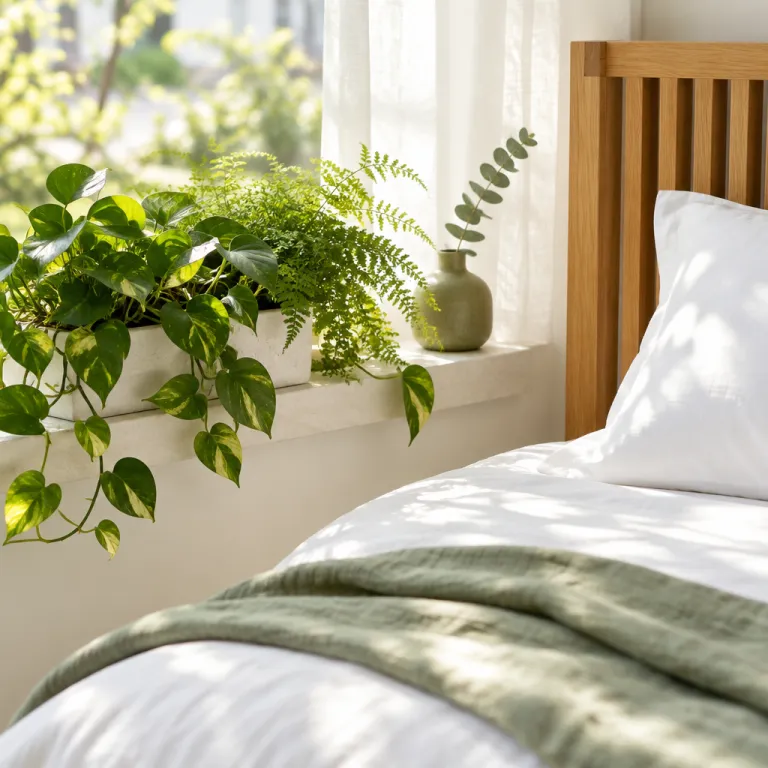
What biophilic design really means in luxury lodging houses
Biophilic design in a luxury lodging house is not a styling trick. It is a hospitality philosophy where architecture, interior design and landscape work together so guests feel physically closer to nature and mentally less stressed. In this context, a biophilic lodging property treats every corridor, stairwell and suite as potential green space rather than just a circulation route.
Architects, interior designers and hoteliers now use the science of environmental psychology to shape hotel design that supports circadian rhythms, calmer acoustics and better air quality. Research on biophilic environments links natural elements such as daylight, plants, earth toned materials and flowing water features to measurable reductions in stress and improvements in sleep quality. Studies by Terrapin Bright Green and the WELL Building Standard, for example, associate access to views and natural light with higher guest satisfaction and reduced complaints, which is why many modern hotel projects integrate biophilic interior strategies from the first architecture design sketch rather than adding plants at the end.
In these properties, nature driven design means more than a living wall in the lobby or a token indoor garden near the lift. It can include cross ventilation that carries the scent of a courtyard garden into the hotel interior, or a green roof that cools the building and softens city noise. When you book luxury hotels that embrace design biophilic principles, you are effectively choosing an eco friendly wellness tool as much as a place to sleep.
How lodging houses use scale to bring nature closer
Lodging houses have a scale advantage over large hotels when it comes to biophilic design. With fewer rooms and more flexible architecture design, owners can carve out intimate gardens, terraces and semi open spaces where families actually linger rather than just pass through. A thoughtful nature focused lodging house often replaces the anonymous atrium of a modern hotel with a small indoor garden that feels like a private backyard.
Because these properties are usually converted residences, the original walls, staircases and courtyards give interior design teams more character to work with. Designers can open a former service yard into a green garden with a shallow pool of water, or turn a side passage into a shaded walkway lined with natural elements such as stone, timber and climbing plants. The result is design interior that feels residential and modern luxury at the same time, ideal for premium families who want both comfort and authenticity.
Luxury hospitality teams in these lodging houses also tend to know every guest by name, which makes it easier to tailor biophilic interior experiences. A family might be offered a room that faces a quiet garden wall covered in jasmine, while another guest chooses a suite where flowing water from a courtyard fountain masks city noise. As one boutique hotelier in Lisbon described it, “Guests remember the smell of the lemon trees in the courtyard more than the thread count,” which is where design hotels thinking meets the intimacy of a private home and where nature becomes the most memorable feature of the stay.
The 100 mile sourcing rule and why it feels different
One of the most persuasive trends in biophilic design luxury lodging house projects is the so called 100 mile sourcing philosophy. The idea is simple ; most materials, art and furniture in the hotel interior should come from within roughly 160 kilometres of the property. When owners follow this rule, the connection between nature, culture and design becomes tangible rather than theoretical.
In Mediterranean lodging houses, you might see interior design built around local stone floors, earth toned plaster walls and handcrafted ceramics from nearby villages. In Southeast Asia, bamboo architecture and woven screens filter light, while in Scandinavian properties reclaimed timber and wool textiles echo forests and fjords. These choices are not only eco friendly ; they also reduce transport emissions and create environmental integrity that guests can sense even if they never read a sustainability report.
This local focus has turned many design luxury properties into informal case studies worthy of an international journal on hospitality or a journal environmental feature. The Rocky Mountain Institute and other research groups have documented how regionally sourced materials often come with lower embodied carbon, while hospitality brands such as 1 Hotels and Six Senses have popularised the idea that guests often say that the room feels calmer without quite knowing that the lime plaster wall is regulating humidity or that the wooden ceiling is softening sound. When you choose lodging houses that treat materials as natural elements rather than generic finishes, you are supporting a quieter, lower impact form of modern luxury travel.
When nature becomes the main design element, not decoration
The most compelling biophilic design luxury lodging house projects treat nature as the starting point, not the afterthought. Architects begin with questions about sun paths, prevailing winds and existing trees before they even sketch the first wall. This is where architecture design merges with environmental science, and where the line between inside and outside starts to blur.
Some properties organise their entire layout around a central garden, allowing every room to face greenery, earth and sky rather than a neighbouring building. Others run a ribbon of flowing water through the ground floor, using shallow channels or reflective pools to cool the air and create a soft acoustic backdrop. These gestures turn circulation spaces into sensory experiences, so walking from your room to breakfast feels like crossing a small park rather than a corridor.
Lighting also plays a crucial role in biophilic interior strategies that support circadian rhythms. Large windows, skylights and carefully oriented openings allow natural light to track across hotel spaces during the day, while warm toned fixtures take over after sunset. Research summarised by the International WELL Building Institute notes that access to daylight and views can improve reported sleep quality and mood, and when design hotels embrace this approach, guests often report better rest and a stronger sense of time, even in dense urban locations where nature usually feels distant.
Wellness benefits and how to choose the right property
For families, the wellness benefits of a biophilic design luxury lodging house are not abstract. Studies in hospitality and environmental psychology show that exposure to nature, even through views and materials, can lower heart rates and support deeper sleep. One widely cited finding, drawn from work by Terrapin Bright Green on “The Economics of Biophilia,” is that a thoughtful biophilic strategy can lift satisfaction scores by double digit percentages while also cutting energy use through smarter daylighting and ventilation.
Industry experts often summarise the concept in simple terms ; “What is biophilic design?” “Design integrating natural elements into built environments.” “Why is biophilic design important in hotels?” “Enhances guest well-being and satisfaction.” “How do hotels implement biophilic design?” “Through natural materials, plants, and light.” These statements align with what architects, hoteliers and guests report on the ground, from urban green roofs to rural retreats with immersive gardens. The ongoing shift is part of a broader movement described in many an international journal of architecture and hospitality as a response to urbanisation and the human need for contact with nature.
When you are choosing between luxury hotels, look beyond the photo of a single green wall or a few potted plants. Read how the property talks about its garden design, its use of water features and its approach to natural ventilation, then compare that with more conventional options on guides such as this in depth look at character led lodging houses. A true biophilic design luxury lodging house will describe its relationship with the surrounding landscape, its material palette and its environmental commitments in concrete, verifiable terms rather than vague lifestyle language.
FAQ
What is biophilic design in a lodging house ?
Biophilic design in a lodging house means integrating nature directly into the architecture, interior layout and guest experience rather than adding plants as decoration. This can include natural materials, generous daylight, views of gardens and carefully designed water features. The goal is to create hotel spaces that support well being, comfort and a stronger connection to the local environment.
How is a biophilic lodging house different from a standard hotel ?
A biophilic lodging house usually operates on a smaller scale than large hotels, which allows for more intimate gardens, courtyards and personalised design interior choices. Instead of vast lobbies and sealed corridors, you are more likely to find indoor garden spaces, operable windows and materials that reflect the surrounding landscape. The overall effect is closer to staying in a thoughtfully designed home than in a generic modern hotel.
What should families look for when booking a biophilic property ?
Families should check whether rooms have direct access to green spaces, good natural light and quiet acoustics shaped by soft materials. It is worth asking if the property uses eco friendly practices such as local sourcing, energy efficient systems and non toxic finishes. A strong sign of genuine biophilic intent is when the hotel design narrative explains how earth, water, plants and daylight are integrated into everyday hospitality rituals.
Does biophilic design really improve sleep and relaxation ?
Research in environmental psychology and hospitality consistently links biophilic environments to lower stress levels and better sleep quality. Natural elements such as greenery, flowing water sounds and daylight that follows the sun help regulate circadian rhythms and reduce sensory overload. Guests often report feeling more rested in rooms where architecture design and interior design have been planned around these principles.
Is biophilic design always eco friendly ?
Biophilic design and eco friendly practice are closely related but not identical, so it is important to look at both. A property can use natural elements aesthetically without addressing energy use, water management or material sourcing, which limits its environmental impact. The most compelling luxury hospitality examples combine deep biophilic interior thinking with responsible operations, from green roofs and efficient glazing to local materials and careful water use.