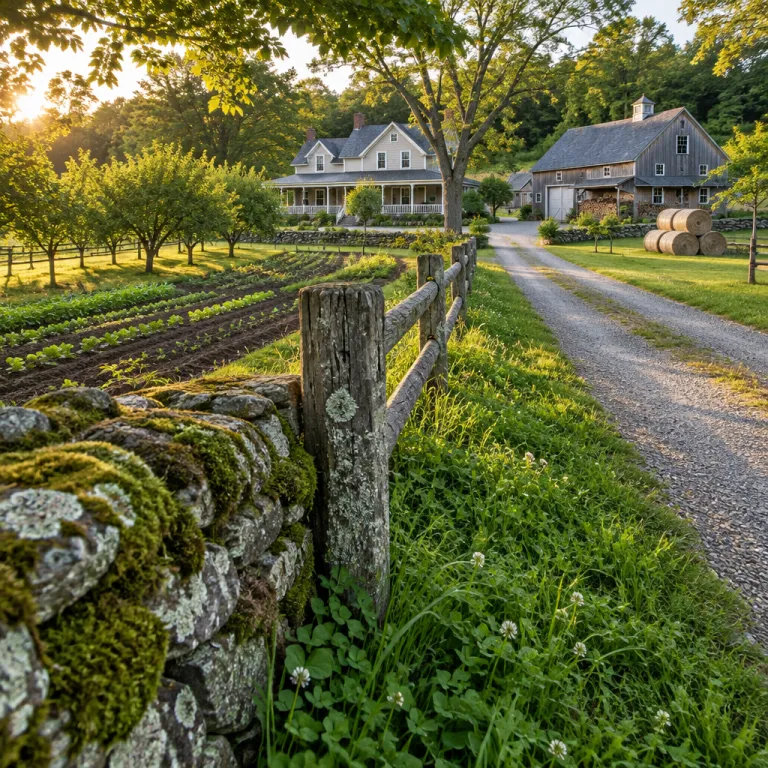
What a working family farm estate luxury stay gives children
A family farm estate luxury stay changes what a family vacation means. Children swap supervised screens and resort clubs for mud on their boots, blackberry stains on their fingers, and the quiet pride of feeding animals before breakfast. That shift from programmed entertainment to real tasks is the first reason many parents now see farm stays as the best kind of countryside escape.
On a well run working farm, the day starts in the barn rather than in a kids’ room, and the whole family feels the rhythm of the country from sunrise. Children help gather eggs, brush ponies before gentle horseback riding sessions, and walk through vegetable beds that show them how food and wine begin in the soil. This is where a farm stay becomes a deep experience rather than a themed activity, because the property offers genuine work alongside carefully designed play.
Space is the other quiet luxury that a rural estate break delivers, especially for city based families craving a peaceful valley or south facing ridge. Instead of corridors lined with identical rooms suites, you might have a converted house hotel wing with only a handful of suites opening onto an acre estate of orchards and meadows. Parents notice how quickly children relax when there is natural beauty in every direction and no pressure to rush between scheduled events during their stay.
For younger children, the simple beauty of watching lambs in a nearby field or picking a warm blackberry from a hedge can eclipse any water slide. Older children often respond to the responsibility of helping with light tasks on a luxury farm, from watering seedlings to leading a calm horse back to its paddock after a ride. These small but real contributions turn vacations into shared stories, and they give families reasons to book the same countryside escape again.
Parents who value education as much as relaxation often say that a high end farm holiday feels like a living classroom. The valley becomes a geography lesson, the ridge a place to talk about weather, and the barn a quiet introduction to animal welfare. When a property offers thoughtful hosts who explain how the farm stays financially sustainable, children also gain a grounded sense of how food reaches their plates.
Compared with a conventional resort, the best luxury farm properties keep group sizes small and interactions personal. Instead of a roster of anonymous staff, you meet the family who runs the farm, and they remember your children’s names when you return for future vacations. That intimacy is a form of luxury that no amount of marble in a lobby can match, and it is why this style of stay now appeals to multigenerational groups as much as to young parents.
The new meaning of luxury for parents on the land
For parents, the most persuasive luxury on a countryside estate break is often silence. Not the absence of children’s voices, but the absence of traffic, elevator chimes, and late night corridor noise that can haunt a large house hotel. When you trade a tower block for a low slung farmhouse, the countryside itself becomes the best wellness amenity.
On a thoughtfully restored acre estate, luxury looks like a long wooden table under trees, where wine and food from the farm are served at a pace that respects children’s needs. You might sit with a glass of wine while they roam safely within sight, returning between courses to tell you about a new blackberry patch or a friendly goat. That blend of freedom and oversight is hard to engineer in a conventional resort, where public spaces are rarely this private or this calm.
Parents also value how a family farm estate luxury stay can align with their ethics without sacrificing comfort. Many luxury farm properties now follow low impact practices, from solar power to careful water use, and they explain these choices clearly to guests. When a property offers this level of transparency, it builds trust and turns a simple stay into a model for how a modern country getaway can respect its landscape.
Dining flexibility is another quiet marker of luxury for families, and it is worth asking detailed questions before you book. Can children eat earlier in a smaller dining room, or will they need to sit through a long tasting menu that suits adults more than toddlers. The most family attuned farm stays offer both relaxed suppers and more formal wine and food pairings, so parents can enjoy one or two grown up evenings while children eat simply and sleep nearby.
Service style matters as much as facilities, especially when you are far from home and located miles from the nearest town. Some families prefer the polish of a Relais & Châteaux level property, where rooms suites feel as refined as any city hotel and an independent inspection standard might apply. Others gravitate toward more relaxed farm stays where the host family eats at the same table, and the luxury lies in conversation rather than in starched linens.
Whichever end of the spectrum you choose, ask how the property balances immersion with comfort, because that balance defines the experience. Are there quiet corners for reading while children join supervised horseback riding, and is there a small spa or at least a sauna that supports the best wellness routines. For parents who rarely pause, these details can turn a pleasant country break into a restorative vacation that justifies the reasons to book a longer stay.
When you start comparing options, it helps to think in terms of specific trip types rather than abstract labels. A multigenerational gathering might call for more suites and separate wings, while a romantic parents plus baby escape could work beautifully in a smaller house hotel with only a few rooms suites. For a deeper sense of how country properties manage this balance, you can look at how a classic Dartmoor country house escape handles family logistics, using the main reception number to arrange early suppers, cots, and activity timings before you arrive.
How to choose the right countryside escape for your family
Choosing a family farm estate luxury stay starts with one question ; how working do you want the farm to be. Some families want to be in the middle of a busy yard with tractors, while others prefer a quieter valley setting where the agricultural work happens at a slight distance. Being honest about your comfort level will help you filter the growing number of farm stays now appearing in every country.
Minimum stay requirements are another practical detail that can shape your vacation. Many luxury farm properties ask for at least three nights, because a shorter stay does not allow guests to settle into the rhythm of the land or to appreciate the natural beauty that unfolds slowly. If you are planning longer vacations, a week on an acre estate can feel both immersive and manageable, especially when the property offers varied activities.
Before you confirm, ask very specific questions about safety, especially if the property is located miles down a rural track. Are there fenced areas for younger children, and how close are the ponds, machinery, or horses used for horseback riding. The best hosts will answer clearly and may even send a simple map of the farm layout, which is another sign that this is a luxury farm that takes families seriously.
Dining is where expectations often diverge between parents and children, so clarity matters. Ask whether the kitchen can adapt menus for younger palates, and whether there are casual options alongside any award winning wine and food experiences. A property that can serve a simple blackberry crumble next to a more complex pairing menu is more likely to keep every generation content throughout the stay.
Look closely at room configurations, because the language around suites and rooms suites can be vague. Some house hotel style estates offer interconnecting suites that work beautifully for older children, while others provide self contained cottages that suit families who want more private space. If you are traveling with grandparents, ask whether ground floor rooms are available, and whether the ridge or valley views differ significantly between categories.
Recent openings show how this segment is evolving, with properties such as Quinta Filippa in Portugal offering farm visits, bread baking, and generous gardens for unstructured play. These places treat a family farm estate luxury stay as a complete experience, not just a themed add on to a standard resort model. For more inspiration on how thoughtful properties handle seasonality and family demand, you can look at curated lists of lodging houses that shine after peak season, which often highlight rural estates that feel especially peaceful once the crowds thin.
When you weigh all these factors, remember that the best choice is the one that matches your family’s rhythm rather than a checklist. Some children thrive on a busy schedule of farm activities, while others prefer long, quiet walks through countryside beauty followed by board games in a sitting room. A clear conversation with the host before you book will usually reveal whether their style of hospitality aligns with your reasons to book this kind of countryside escape.
Where immersion meets comfort: from blackberry farm to coastal estates
Not every family wants the same level of immersion, and that is where the spectrum of the family farm estate luxury stay becomes interesting. At one end you have fully working farms, such as the celebrated Blackberry Farm in Tennessee, where food and wine culture sits alongside serious agricultural work. At the other end are gentler acre estate properties that reference farm life through gardens and orchards rather than through early morning milking.
Blackberry Farm has become a reference point because it shows how a luxury farm can deliver both award winning cuisine and relaxed family experiences. Children can join fly fishing or gentle horseback riding while parents explore wine and food pairings that draw directly from the fields around them. This model proves that a property offers genuine farm stays without sacrificing the level of service that many Relais & Châteaux guests expect.
Other estates take a quieter approach, focusing on natural beauty and space rather than on a dense activity schedule. A south facing valley with a low ridge behind it can feel like a private amphitheater of countryside calm, especially when rooms suites open directly onto lawns where children can play. In these settings, the best wellness feature might simply be a long, shaded path that invites slow evening walks after dinner.
Families who love the idea of a family farm estate luxury stay but still want access to the sea sometimes split their vacations between inland and coastal properties. A week on a country farm followed by a few nights at a refined coastal retreat can work beautifully, especially on islands where driving distances are short. For an example of how this balance plays out in practice, you can look at curated guides to the best hotels on Big Island Hawaii for an oceanfront stay, which often pair inland lodges with shoreline properties.
As this segment matures, some estates are beginning to seek formal recognition through programs similar to the Michelin Key style initiatives announced in 2023, which evaluate hotels on character and service rather than on restaurants alone. While not every family needs that label, it can be a useful shorthand when you are comparing a house hotel in the country with a more conventional resort. What matters is that the inspection criteria value sense of place, because that is where a family farm estate luxury stay truly excels.
Whether you choose a property like Blackberry Farm or a quieter European estate, pay attention to how the hosts talk about their land. Do they speak of the valley and ridge with affection, and do they explain how their farming practices protect the surrounding countryside. Those details reveal whether your stay will feel like a respectful partnership with the landscape or just a themed backdrop for another generic vacation.
For families used to urban hotels, this can be a refreshing shift in priorities. Instead of asking about the size of the pool, you might find yourself asking how old the orchard trees are, or how long the current family has cared for the property. That curiosity is part of the charm of this travel style, and it often lingers long after you return home.
Who a family farm estate luxury stay suits best
Not every traveler will love waking to the sound of roosters, which is why a family farm estate luxury stay suits some profiles more than others. Multigenerational families often find it ideal, because grandparents can enjoy peaceful mornings in the garden while younger generations head out for horseback riding or farm tours. The shared yet flexible rhythm of country life gives everyone space to follow their own pace during the stay.
Parents with school age children are another strong match, especially if they want vacations that feel meaningful rather than purely recreational. These families often talk about wanting their children to understand where food and wine come from, and to see the natural beauty of a working landscape up close. When a property offers clear explanations and hands on activities, those lessons become part of the family story rather than a classroom lecture.
Couples sometimes assume that a farm stay cannot feel romantic, but the opposite is often true. A small house hotel on a quiet ridge, with only a few suites and a private terrace overlooking the valley, can feel more intimate than a large resort. Add a simple supper built around a single perfect blackberry tart, and you have a kind of understated luxury that suits anniversaries as much as family reunions.
For wellness focused travelers, the best wellness experiences on a family farm estate luxury stay are often unbranded. Long walks through fields, early swims in a spring fed pond, and quiet reading hours in a south facing garden can be more restorative than any elaborate spa circuit. When a property offers optional yoga or massage alongside this landscape led calm, it becomes easy to understand the reasons to book a longer stay.
Practical minded travelers should also consider how far the property is located miles from major transport routes, because that distance can be either a blessing or a challenge. Remote estates offer deeper quiet and darker night skies, but they may require more planning around transfers and supplies. Families who enjoy road trips often see this as part of the adventure, especially when the countryside along the way reveals unexpected beauty.
As this style of travel grows, some estates are beginning to align themselves with respected networks such as Relais & Châteaux, which can reassure first time guests about service standards. Others remain proudly independent, relying on word of mouth and repeat visitors who treat the farm as an extension of their own family history. In both cases, the common thread is a commitment to authenticity over spectacle, which is why so many families now choose farms over resorts when they plan their next country getaway.
For travelers who value character, context, and connection, this is where lodging houses come into their own. A well run farm estate does not feel like a theme park ; it feels like stepping into someone else’s better life for a few days. That is the quiet promise of a family farm estate luxury stay, and it is why this rural way of traveling looks set to remain one of the best options for thoughtful family vacations.
FAQ
What should I ask before booking a family farm estate luxury stay ?
Start by asking how active the farm work is and how close it is to guest areas, especially if you have young children. Clarify minimum stay requirements, dining options for different ages, and whether horseback riding or other activities are included or charged separately. It is also wise to ask how far the property is located miles from medical services and shops, so you can plan logistics calmly.
Are farm stays safe for young children ?
Well managed farm stays are designed with safety in mind, but every property is different. Look for clear information about fenced play areas, supervised access to animals, and rules around machinery or water. If a host cannot explain their safety measures confidently, that is a sign to consider another countryside escape.
How do farm stays compare with resorts for comfort and amenities ?
Comfort levels vary widely, from simple rooms to high end suites that rival city hotels. You may not find huge pools or extensive spas, but many luxury farm estates offer excellent beds, strong showers, and thoughtful details such as boot rooms and drying racks. The main difference is that the landscape and daily rhythm replace formal entertainment programs as the core amenity.
Is a family farm estate luxury stay suitable for multigenerational trips ?
Yes, many estates are ideal for multigenerational groups because they combine shared spaces with private corners. Grandparents can enjoy quiet gardens and early nights, while parents and children join more active farm experiences. When you book, ask about accessible rooms and ground floor suites to ensure comfort for every generation.
What is the best time of year to plan a farm based family vacation ?
Spring and autumn often offer the best balance of pleasant temperatures, visible farm activity, and fewer crowds. Summer can be lively and beautiful, but it may also be busier and hotter, especially in the south. If you want a more peaceful stay with strong chances of seeing harvest work, late season dates can be particularly rewarding.