Slow hospitality as a deliberate design choice
Slow hospitality luxury lodging house digital detox is not a slogan; it is an operating system. The most interesting lodging houses in the hospitality industry now treat time as their primary amenity, shaping every guest experience around the idea that nothing urgent will intrude. For travelers used to real time notifications and constant social media noise, that promise feels more luxurious than any marble lobby.
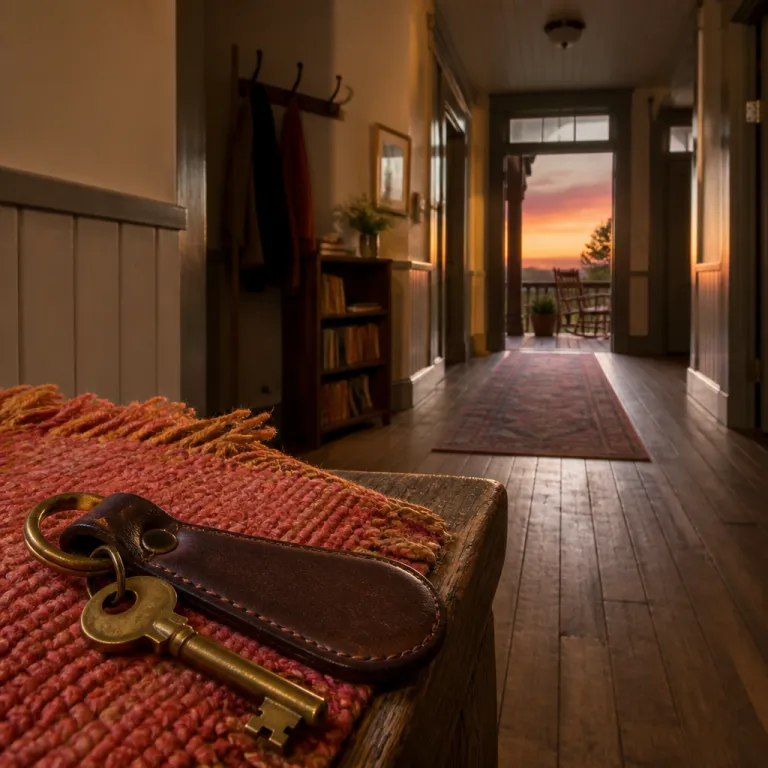
These hotels are often built around long sightlines, deep verandas and gardens that ask you to walk slowly rather than scroll a phone. Corridors are intentionally extended, staircases are preferred over lifts and communal tables replace isolated two tops, so people naturally fall into conversation and share wellness travel stories. The result is a screen free rhythm where guests drift between spa, reading rooms and terraces, experiencing a kind of analog wellness that no tech free app can simulate.
For a solo explorer planning a stay, the key is to look beyond the digital brochure and ask how the property will help guests slow down in practice. Does the hotel offer device free lounges, phone free pools or wellness retreats that schedule treatments around daylight rather than calendar alerts. When a lodging house commits to slow travel principles at this level, every stay becomes a quiet form of mindful travel rather than just another stop on an efficient itinerary.
Digital detox as spa and wellness architecture
In the most thoughtful lodging houses, digital detox begins long before a therapist lights a candle in the treatment room. Architects and spa consultants now collaborate to create wellness experiences where the route from arrival to massage table gently strips away digital distractions. You might lock your phone in a wooden box at check in, pass through a device free library and then cross a garden path where the only notifications are birdsong and the sound of water.
These slow hospitality luxury lodging house digital detox properties treat wellness as a spatial narrative rather than a menu of treatments. Hydrotherapy circuits are arranged so travelers move from warm pools to cool plunge basins at their own pace, with no screens, no background television and no pressure to post anything online. Lighting is low, corridors curve rather than rush, and every bench or daybed is positioned to frame a view that rewards stillness over real time updates.
Some hospitality brands extend this philosophy into full wellness retreats, where stays of three nights or more include guided breathwork, forest bathing and nutrition consultations. A few even operate like a discreet free resort for your nervous system, with tech free hours in the spa and phone free dining rooms that make conversation the main course. If you are curious about how far this can go at scale, look at a longevity focused project such as this in depth look at a Caribbean longevity village, where wellness travel is treated as a long game rather than a weekend fix.
When luxury means less choice, not more
Traditional luxury hotels often equate value with endless options, from all day room service to always on digital entertainment. Slow hospitality luxury lodging house digital detox properties take the opposite view, curating fewer, better choices so guests can stop negotiating with themselves. Breakfast might be served only at a long communal table, spa appointments may be clustered around morning and late afternoon, and there may be no televisions or visible clocks in any room.
This apparent restriction actually expands the guest experience because it removes the mental admin that usually follows you on travel. When you are not checking a phone for the next activity or scrolling through social media for restaurant ideas, you notice the way light moves across the courtyard or how the scent of herbs changes between the garden and the hammam. Hoteliers report that these detox hotels see higher spending on wine, long lunches and extended spa rituals, because guests finally have the time and attention to savour them.
From a commercial perspective, this is why the hospitality industry is quietly investing in detox hotel concepts and structured wellness retreats. Properties that lean into slow travel often achieve stronger loyalty because people associate them with a specific feeling rather than a generic room category. You can see this logic at work in regenerative coastal projects such as a Red Sea longevity focused opening, where the hotel offer is less about amenities in real time and more about how your body and mind will feel three days after check out.
How lodging houses choreograph device free stays
The most successful slow properties do not simply ask guests to switch off; they choreograph the entire stay so that being device free feels effortless. On arrival, you might be invited to place your phone in a linen pouch, with a handwritten note explaining that the équipe will handle any urgent calls. Key information is printed on beautiful cards rather than pushed through an app, and staff are trained to anticipate needs so you are not tempted to reach for a screen.
Throughout the hotel, subtle cues reinforce the digital detox without turning it into a rulebook. There may be a small image credit beside a framed photograph explaining the local artisan who shot it, encouraging you to look closely instead of taking your own quick picture for a post. Lounges are arranged with books, analog games and carafes of infused water, while gardens are mapped as slow circuits of 200 to 400 mètres, inviting travelers to walk, pause and repeat rather than track steps on a device.
Nighttime is where these detox hotels often excel, turning the absence of tech into a form of hospitality theatre. Turndown might include a short printed essay on mindful travel, a herbal infusion tailored to your wellness profile and a note reminding you that wake up calls are handled by humans, not algorithms. Over several nights, people report that their sleep deepens, their phone free hours extend naturally and the hotel experience lingers long after the stay because it has reset their internal pace.
Choosing the right slow lodging house for your trip
For solo explorers and small groups planning wellness travel, the challenge is not finding a digital detox property but choosing the right level of slowness. Some detox hotels operate almost like monastic retreats, with strict tech free policies and structured wellness retreats that fill each day with classes and treatments. Others take a lighter touch, offering phone free zones, gentle reminders and the freedom to keep one device for photography or essential work.
Start by asking how the lodging house defines slow hospitality luxury lodging house digital detox in its own words. Does the hotel offer flexible check in and no fixed check out time, or does it simply market a spa with a few yoga classes as mindful travel. Read between the lines of each post on their website and social channels, and look for concrete details about screen free spaces, guest experience design and how they help guests transition from high speed travel to a slower stay.
If you are travelling with others, align expectations early, especially when choosing a lodging house for a family trip where different generations use tech differently. A property that feels like a free resort for one person might feel restrictive to another who relies on digital tools for accessibility or connection. For more nuanced guidance on matching lodging houses to your specific needs and travel style, explore this detailed guide on what actually matters when choosing a lodging house, then apply the same questions to your next slow stay.
FAQ
What does a digital detox stay in a luxury lodging house actually involve ?
A digital detox stay usually means your phone and other devices are either stored safely or used only in designated areas, while the rest of the hotel remains screen free. You still have access to the outside world through the front desk, but the guest experience is curated so you rarely feel the need to connect. Expect printed information, human led service and wellness experiences that fill the gaps normally occupied by scrolling.
Are tech free and device free hotels suitable for business travelers ?
Many slow hospitality properties welcome business travelers who need to be reachable but want strict boundaries. A common model is to allow digital access in one lounge or office corner while keeping rooms, spa areas and restaurants phone free. This way you can handle essential work in real time, then return to a detox hotel environment that protects your downtime.
How do wellness retreats in lodging houses differ from standard spa weekends ?
Wellness retreats in slow travel lodging houses are usually structured around multi day programs that combine treatments, movement and mindful travel practices. Instead of booking isolated massages, you follow a curated sequence that might include breathwork, nutrition consultations and nature walks. The aim is to help guests shift their overall relationship with tech, stress and sleep rather than simply enjoy a single spa afternoon.
Will I feel isolated without social media and constant connectivity during my stay ?
Most guests report feeling more connected to people and place when social media is removed from the equation. Communal tables, hosted walks and small group experiences are designed to create easy, low pressure interactions among travelers. Staff are trained to notice when someone seems adrift and will gently help guests find activities or quiet company that suit their energy.
How can I tell if a hotel’s slow hospitality promise is genuine ?
Look for specific, verifiable details rather than vague wellness language in any hotel offer. Genuine slow hospitality brands describe concrete policies such as limited Wi Fi, phone free zones, no televisions and flexible check out, and guest reviews often mention how these shaped their stay. If the website focuses mainly on digital amenities and fast response times, the property is probably not designed around a true slow hospitality luxury lodging house digital detox philosophy.