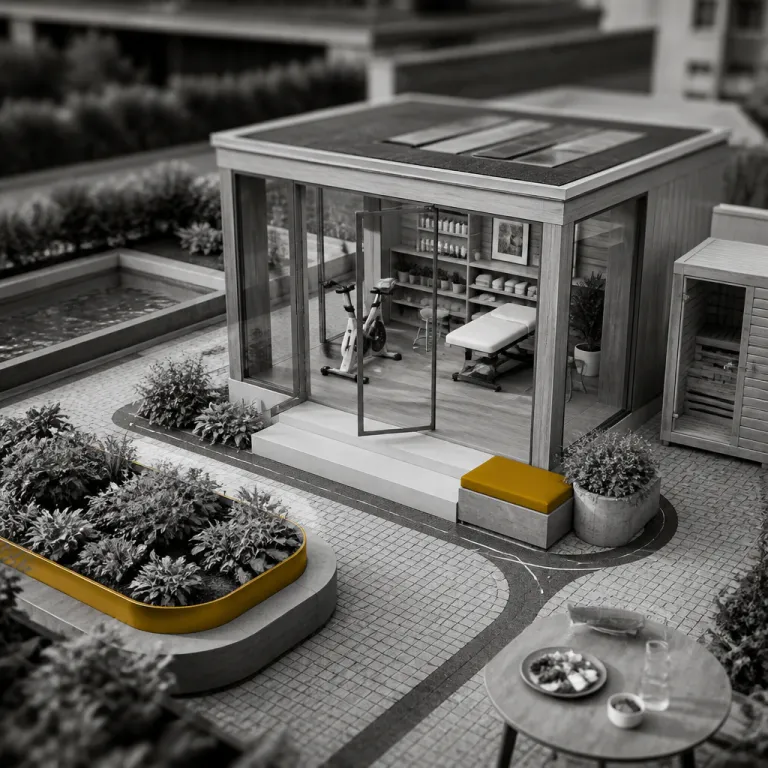
From spa amenity to longevity architecture in luxury hotels
Luxury hotels are quietly rewriting what wellness means for high performing travelers. The new promise goes far beyond a pleasant spa and leans into a structured longevity programme that treats your stay as a calibrated health intervention. For business guests used to red eye flights and back to back meetings, this shift in wellness can be the difference between simple relaxation and measurable recovery.
Across leading properties, wellness is moving from scented candles to circadian aligned lighting, air quality monitoring, and sleep optimized suites that support long term health. The distinction that matters is wellness as an amenity you book in the spa versus wellness as the architecture of the hotel itself, where every corridor, room, and ritual is designed around your biology. When you evaluate luxury hotels now, you are increasingly judging whether the longevity programme luxury hotel wellness offer feels medically credible or just like a rebranded massage menu.
Global data from the wellness travel sector shows a clear rise in demand for structured longevity programs integrated into hotels. Industry research tracks more than 150 hotels offering some form of longevity programme, with wellness tourism growing around 6.5 percent annually in recent years. This context explains why luxury travelers are seeing more language about health performance, mental health, and recovery woven into hotel marketing, especially on booking platforms that curate high end lodging houses.
What a serious longevity programme in a hotel really includes
For a longevity programme to justify premium pricing, it must feel more like a wellness clinic than a simple spa. At its core, a credible longevity program in luxury hotels starts with baseline health assessments that go beyond a short questionnaire. Many of the best programmes now integrate 3D body composition scans, blood panels, and non invasive diagnostics to map your current health performance before any treatments begin.
Once that data is captured, serious hotels design personalized programmes that run across several days, not just a single afternoon in the spa. These programs typically combine targeted treatments, structured movement, breathwork, and sleep coaching with one to one consultations from medical or allied health professionals. The aim is to help guests translate abstract longevity goals into a concrete day programme that fits into a three or four night stay, especially for wellness travel linked to business trips.
Properties that treat longevity travel as more than a trend often provide post stay follow up, digital coaching, and long term tracking of health wellness markers. This is where the line between hotel and wellness clinic blurs, and where credibility becomes critical for travelers comparing offers. For a deeper look at how wellness lodging houses are building these integrated concepts, see this guide to wellness lodging houses with holistic longevity programs, which profiles properties that treat wellness as the organizing principle rather than a side activity.
Global pioneers: from Ibiza agriturismos to Red Sea longevity centres
Some lodging houses have moved early and decisively into longevity travel, setting benchmarks for the rest of the market. Atzaró Agroturismo Hotel in Ibiza, for example, runs personalized longevity retreats that combine Mediterranean nutrition, spa rituals, and structured programmes focused on recovery and mental health. Guests there experience how a rural hotel can feel like a discreet wellness clinic without losing its sense of place or luxury.
Six Senses Wellness Resorts have gone further by creating dedicated Longevity Centres, where biohacking lounges sit alongside Watsu pools and advanced diagnostics. Their approach to longevity programme design uses tools such as cryotherapy, infrared treatments, and 3D body composition analysis to build personalized programs for travelers who want measurable health performance gains. A new property on the Red Sea, profiled in this feature on Six Senses Amaala and its longevity centre, shows how architecture, spa, and medical expertise can be woven into a single guest journey.
In Turkey, Hunza Longevity Resort offers unique long term programmes that blend Eastern inspired treatments with Western medical diagnostics in a compact lodging house format. In France, Barrière La Baule Resort hosts the ORA Longevity program, which uses structured day programme formats to help guests integrate health wellness routines into coastal leisure stays. These examples show how luxury hotels across regions are experimenting with different models of longevity programme luxury hotel wellness, giving luxury travelers more choice but also more complexity when booking.
Medical credibility versus marketing: how to read the fine print
As longevity language spreads across hotel websites, the gap between marketing and medical reality can be wide. The first credibility test is whether the hotel employs or partners with qualified medical professionals, such as physicians, physiologists, or clinical nutritionists, rather than relying solely on spa therapists. When a property positions itself as a wellness clinic, you should expect clear information about practitioner credentials, safety protocols, and how medical oversight shapes the programme.
Another marker of seriousness is whether the hotel publishes outcomes data, collaborates with research institutions, or at least explains how its longevity program is structured around evidence based treatments. Some leading wellness clinic style properties, including well known names such as Clinique La Prairie, SHA Wellness, and Canyon Ranch, have built reputations by combining luxury with rigorous health frameworks. Even if you are not staying at these specific hotels, their standards offer useful benchmarks when assessing other longevity travel offers that promise transformative results.
Transparency around diagnostics, follow up, and long term support also matters for guests who care about sustained health benefits. Ask whether the longevity programme includes structured one to one consultations, clear reporting on body composition and other metrics, and guidance you can apply after checkout. When a hotel claims that its programme offers unique benefits, you should be able to explore exactly how those benefits are measured, rather than relying on vague language about wellness and recovery.
Designing a high impact 3–4 night stay for business leisure travelers
Executives extending a business trip into leisure time need longevity programmes that respect tight schedules. The best hotels for this audience build modular day programme formats that can compress meaningful diagnostics, spa treatments, and coaching into a three or four night window. A well designed longevity programme luxury hotel wellness offer will prioritize sleep, circadian alignment, and targeted recovery over endless activities.
For a short stay, look for hotels that start with a concise health assessment, including body composition scans and a brief review of your health performance goals. From there, a personalized schedule might include one or two medical or wellness consultations, a small number of high impact treatments, and structured time for mental health practices such as guided breathwork or mindfulness. The aim is not to overhaul your entire lifestyle in a weekend, but to help you reset key systems and leave with a realistic long term plan.
Business travelers should also pay attention to practicalities such as check in timing, room configuration, and access to quiet spa zones that support deep recovery between meetings. Some lodging houses now integrate concierge style planning services, and platforms like Lodging House Stay highlight how to use tailored support tools, including services explained in this guide to concierge style event and stay planning. These layers of service help luxury travelers align wellness travel goals with the realities of corporate schedules and frequent flights.
How to compare longevity programmes across luxury hotels
When you compare longevity programmes across hotels, start by mapping your own priorities. Some guests want intensive medical diagnostics and a wellness clinic atmosphere, while others prefer a softer approach that blends spa rituals with gentle health coaching. Clarifying whether you seek physical recovery, mental health support, or long term performance gains will help you filter the growing number of longevity travel options.
Next, examine how each hotel structures its programme, including the balance between diagnostics, treatments, and education. A robust longevity program should include at least one structured consultation, clear reporting on body composition and other metrics, and a personalized plan you can follow after departure. If a property claims it offers unique benefits, look for specifics about tools such as cryotherapy, infrared therapies, or advanced sleep tracking, and how these are integrated into daily schedules rather than offered as isolated spa add ons.
Finally, consider the overall ecosystem of the hotel, from nutrition to movement spaces and digital boundaries. Luxury hotels that take wellness travel seriously will align menus, room design, and even meeting spaces with the goals of the longevity programme, rather than treating wellness as a separate zone. As you explore options, remember that the most effective programmes help you translate short stays into long term habits, turning each trip into a small but meaningful investment in your future health.
Where the trend is heading: from niche retreats to mainstream stays
The integration of longevity programmes into hotels is moving from niche retreats to mainstream luxury travel. Industry data already counts more than 150 hotels with some form of longevity program, and the growth rate of wellness tourism suggests this number will rise steadily. As more lodging houses adopt these models, the competitive edge will shift from simply offering wellness to demonstrating measurable health outcomes.
For travelers, this evolution means that terms like wellness travel and longevity travel will appear more frequently in booking filters and loyalty programme benefits. You can expect to see more properties experimenting with modular day programme formats, remote follow up, and partnerships with external wellness clinic operators. Some hotels may license protocols from established names such as Clinique La Prairie, SHA Wellness, or Canyon Ranch, while others build their own in house expertise with medical teams and advanced diagnostics.
Aluma Vitalis, for example, designs modular longevity suites that can be integrated into existing hotels, allowing properties to upgrade their wellness offer without rebuilding entire wings. As these solutions spread, guests will encounter more rooms equipped with recovery technologies, circadian lighting, and embedded health performance tools as standard features. The next phase of longevity programme luxury hotel wellness will likely focus on outcomes tracking and data privacy, as travelers ask not only how a programme feels, but what it actually changes in their bodies over time.
Key figures reshaping longevity programmes in hotels
- More than 150 hotels worldwide now offer some form of longevity program, according to data referenced by the Global Wellness Institute, indicating that structured health focused stays have moved beyond a niche experiment.
- Wellness tourism has been growing at around 6.5 percent annually in recent years, outpacing general travel growth and encouraging luxury hotels to invest in wellness architecture rather than standalone spa amenities.
- Industry trend reports highlight that properties integrating personalized wellness plans, advanced diagnostics, and non invasive therapies report higher guest satisfaction and loyalty scores compared with hotels offering only traditional spa menus.
- Longevity focused hotels increasingly partner with medical professionals, wellness experts, and technology providers, reflecting a broader innovation trend that combines traditional hospitality with advanced health services.
Frequently asked questions about longevity programmes in hotels
What are hotel longevity programs ?
Hotel longevity programs are structured health services embedded into a stay, designed to improve lifespan and well being through diagnostics, personalized protocols, and targeted treatments. They usually combine medical or allied health input with spa therapies, movement, and sleep optimization. The goal is to help guests leave with both immediate recovery and a plan for long term health performance.
Which hotels offer longevity programs ?
Hotels like Atzaró Agroturismo in Ibiza and Six Senses Wellness Resorts are among the best known for integrating longevity programmes into their wellness offer. Other examples include Hunza Longevity Resort in Turkey and Barrière La Baule Resort in France, which hosts the ORA Longevity program. The number of luxury hotels offering similar programmes is growing quickly across Europe, the Middle East, Asia, and the Americas.
Are longevity programs effective ?
Effectiveness varies widely between properties, because some programmes are built with strong medical oversight while others are closer to enhanced spa packages. Guests should review practitioner credentials, diagnostic methods, and follow up support when assessing any longevity programme. Consulting a trusted health professional before participation is recommended, especially if you have existing medical conditions or are considering intensive treatments.
How long should I stay to benefit from a longevity programme ?
Many experts suggest that a minimum of three to four nights allows enough time for assessments, treatments, and integration of new habits. Shorter stays can still support recovery and mental health, especially for business travelers seeking targeted wellness, but may not deliver deep long term change. Longer programmes of one or two weeks are better suited to guests pursuing comprehensive health performance resets or complex medical goals.
What should I look for when booking a longevity focused hotel ?
Key factors include the presence of qualified medical or allied health professionals, clarity about diagnostics such as body composition scans, and the structure of personalized programmes. You should also check how the hotel integrates nutrition, sleep, and movement into the overall experience, rather than isolating wellness in the spa. Finally, look for transparent communication about risks, expected outcomes, and any post stay support that helps you maintain results at home.