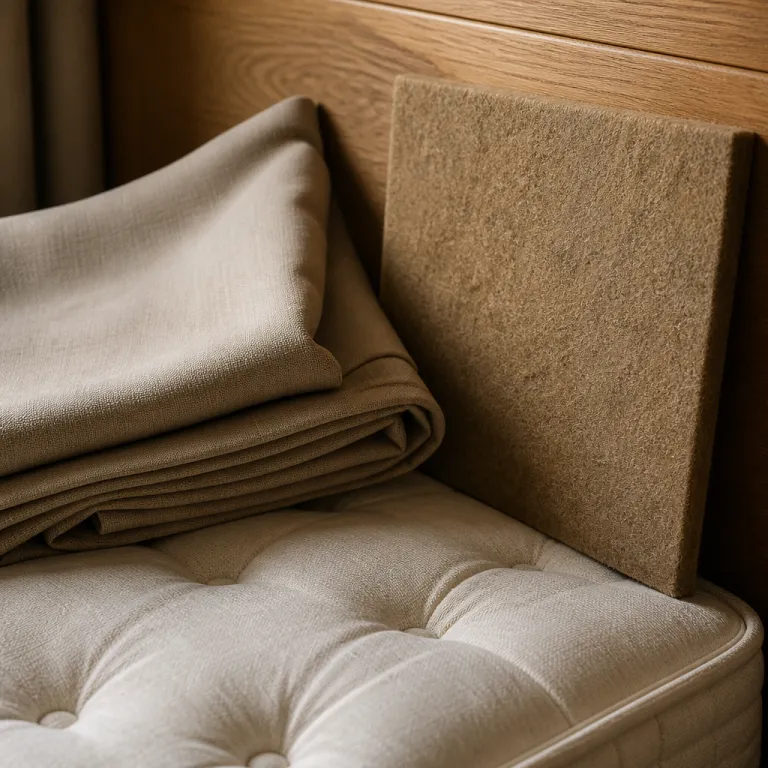
Why sleep has become the new five star standard
Sleep has quietly become the new status symbol in every serious luxury hotel. For couples booking a romantic escape, the real upgrade is not the champagne on arrival but the way the hotel bed holds the body through the night. In the most thoughtful lodging houses, the sleep experience now rivals the art on the walls and the wine in the cellar, with the hotel bed treated as core infrastructure rather than soft furnishing.
Owners of small hotels increasingly view each mattress as a long term capital asset. Industry summaries from STR and Hotel News Now indicate that the average cost of a hotel grade mattress typically sits around 1 000 USD per bed, while case studies of upscale properties show leading hotels spending several times that figure for higher comfort and better support. At the top end, Hästens mattresses can reach five figures at MSRP according to manufacturer price lists, and some ten room lodging houses now position themselves as Hästens exclusive luxury hotels where every bed is engineered for deep night sleep.
What matters to you as a guest is how those numbers translate into feel and experience. A true luxury mattress combines multiple comfort layers, calibrated firmness, and precise pressure relief so your body can relax without sinking or fighting a too firm surface. When a star hotel gets this right, you wake with the clear headed lightness that makes the entire trip feel more premium before breakfast even starts.
Inside the mattress: where comfort layers meet circadian thinking
Look beyond the white linens and you will find a complex architecture of springs, foams, and natural fibers shaping your sleep experience. The best hotel mattresses use zoned coils for targeted support, plush comfort layers for pressure relief, and breathable materials to keep temperature stable through the night. This is where a serious investment in sleep quality becomes visible in the way your body feels after several consecutive nights.
Many luxury hotels now specify hybrid constructions that pair pocketed springs with latex or high density foam to balance bounce and contouring. A euro top or pillow top finish can add a cloud like first impression, while a firmer core maintains spinal alignment for different body types sharing the same hotel bed. When you read about a Westin Heavenly style bed or a so called heavenly bed in reviews, you are usually seeing guests respond to this careful layering rather than any single material.
Couples should pay attention to firmness descriptions and ask whether the hotel mattress is available in different versions across rooms. Some lodging houses quietly keep both firm and more plush mattresses in inventory, allowing them to match your sleep preferences if you ask before arrival. For inspiration on properties that take this level of detail seriously, look at curated lists of peak summer lodging houses that highlight sleep focused hotels rather than just pool photos.
Blackout, silence, and air: the invisible luxuries that matter more than marble
Once the mattress is right, the next frontier in hotel sleep is environmental control. Blackout curtains, acoustic isolation, and air quality now shape guest satisfaction more than many visible luxury gestures. Cost analyses from hotel procurement consultants suggest that while a single hotel mattress might average about 1 000 USD, full soundproofing of a room can reach roughly 1 500 USD per key, yet this is often the investment that makes you sleep better in a busy city.
Guest surveys from major review platforms consistently highlight three practical questions that predict a good night sleep in hotels. They ask why hotels invest in high quality mattresses, what the benefits of blackout curtains in hotels are, and how soundproofing impacts hotel guest experience. The verified answers are simple and direct; “Why do hotels invest in high-quality mattresses? To enhance guest comfort and satisfaction, leading to repeat business.” “What are the benefits of blackout curtains in hotels? They block external light, improving sleep quality for guests.” “How does soundproofing impact hotel guest experience? Reduces noise disturbances, leading to better sleep and positive reviews.”
For couples choosing a lodging house, this means reading reviews with a focus on noise, light leakage, and temperature control rather than only service rituals. Smaller properties with fewer than twenty rooms can often invest more per room in acoustic insulation and blackout engineering than large hotels, because each additional decibel of silence directly supports their positioning as a premium sleep retreat. When you plan a trip with children or extended family, guides on choosing a lodging house for a family trip can help you balance these sleep priorities with space and layout needs.
Hushpitality and the rise of sleep menus in lodging houses
A new term has entered design conversations in luxury hotels; hushpitality. It describes properties engineered from the ground up for rest, recovery, and decompression, where the investment in sleep comfort is only the starting point. In these lodging houses, everything from corridor carpets to door closers is specified to protect your night sleep.
One clear sign that a hotel takes sleep seriously is the presence of a sleep menu. Instead of a generic pillow top on every bed, you might find a selection of pillows with different firmness levels, hypoallergenic fillings, and varying heights to match your body and preferred position. Some hotel branded programs now extend this to duvets with different weights, aromatherapy options, and even pre arrival questionnaires that log your ideal room temperature and lighting preferences.
For couples, this level of customization can be the difference between a restless night and a genuinely restorative sleep experience. A star hotel that asks about your ideal firmness, whether you prefer a more plush or more firm mattress feel, and how sensitive you are to noise is signaling that it understands sleep as a premium amenity. When browsing new season openings on curated platforms, look for lodging houses that highlight key features such as blackout, acoustic design, and mattress specifications alongside the usual restaurant and spa descriptions.
How small lodging houses out invest the big brands on sleep
Large hotel chains often standardize their hotel mattresses to manage procurement and branding, which can limit flexibility. By contrast, independent lodging houses with ten to twenty rooms can treat each hotel bed as a bespoke project, choosing different mattresses and comfort layers for different room types. This is where a focused approach to sleep quality can quietly outperform a global star hotel.
Owners and procurement managers in these properties work closely with interior designers to balance aesthetics with deep comfort. They may specify Hästens or other high end luxury mattress brands for suites, while using slightly less expensive but still premium hotel mattress models in smaller rooms to keep overall costs sustainable. Because their guest volume is lower, they can also rotate mattresses more carefully, preserving the original firmness and support that couples notice on repeat stays.
From a financial perspective, these investments are not indulgent extras but strategic tools for loyalty. Publicly shared benchmarking from boutique hotels such as the Zetter Townhouse in London and the Post Ranch Inn in Big Sur indicates that upgrading to premium sleep amenities is associated with higher average review scores on major platforms, while extending mattress lifespan by several years. When you browse curated lists of new lodging houses debuting this season, pay attention to which properties talk openly about their sleep infrastructure rather than only their design story.
The morning after: extending the sleep investment into wake up rituals
The best luxury hotels understand that a great night sleep is only complete when the morning feels equally considered. A carefully chosen mattress, calibrated firmness, and quiet room set the stage, but the wake up sequence determines how that rest translates into your day. Thoughtful lodging houses now design gentle wake up rituals as part of their overall sleep experience.
Instead of abrupt alarms and rigid checkout times, you might find circadian lighting that brightens gradually, coffee service timed to your preferred hour, and flexible breakfast windows that respect late night arrivals. Some hotel branded programs extend the heavenly bed concept into the bathroom, with warm floors, soft robes, and showers tuned to a precise temperature range that keeps the body relaxed. In these spaces, the investment in hotel sleep is mirrored by an equal focus on how you transition from bed to city without feeling rushed.
For couples planning a romantic stay, this is where you can be selective and ask specific questions before booking. Inquire about blackout quality, noise levels, and whether the hotel offers late checkout on request, because these key features often matter more than another star on the door. When a lodging house treats your sleep as its central luxury, you feel it in the quiet confidence of the staff, the way the room holds you at night, and the ease with which you step back into the world the next morning.
FAQ
How much do hotels typically invest in mattresses and sleep amenities?
Industry data suggests that an average hotel grade mattress costs around 1 000 USD, while blackout curtains can add roughly 75 USD per panel and soundproofing can reach about 1 500 USD per room according to hospitality procurement estimates. Luxury hotels and high end lodging houses often spend significantly more per bed to secure better comfort layers, durability, and pressure relief. For small properties with fewer than twenty rooms, this level of investment in sleep quality can be a primary driver of guest loyalty and repeat bookings.
What should I look for in a hotel room if sleep is my top priority?
Focus on three elements; the mattress, the blackout, and the acoustic profile. Ask whether the hotel uses premium hotel mattresses with defined firmness levels, whether rooms have full blackout curtains, and whether windows and doors are insulated to reduce outside noise. Reviews that mention quiet nights, comfortable beds, and consistent room temperature are usually reliable indicators of a strong overall sleep experience.
Are hotel branded beds like the Westin Heavenly Bed really different?
Hotel branded beds such as the Westin Heavenly Bed are usually built to a specific specification that balances plush comfort layers with supportive cores. They are designed to feel immediately inviting while still offering enough firmness and support for a wide range of body types. While not every guest will find them perfect, they often outperform generic hotel mattresses in both perceived comfort and long term durability.
Why are small lodging houses often better for sleep than large hotels?
Smaller lodging houses can invest more per room in mattresses, blackout solutions, and soundproofing because they manage fewer keys. They also have the flexibility to adjust firmness, pillow types, and even mattress models based on guest feedback, something large chains struggle to do at scale. This agility allows them to refine their sleep offering continuously, turning quiet nights and comfortable beds into a defining part of their premium identity.
How can I tell if a hotel takes sleep seriously before I book?
Look for explicit mentions of mattress brands, blackout curtains, acoustic design, and sleep menus in the room descriptions or on the hotel website. Properties that highlight these key features usually treat sleep as a core part of their luxury promise rather than an afterthought. You can also email the hotel directly with questions about firmness options, pillow choices, and late checkout policies to gauge how central sleep is to their overall guest experience.