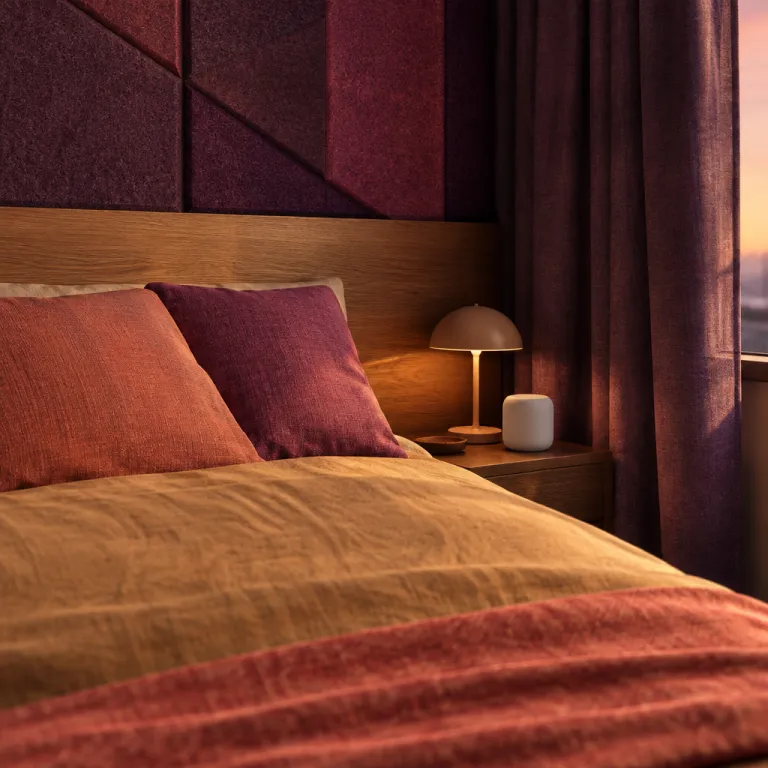
The new language of hotel sleep science for couples who care
Sleep has become the quiet luxury that separates a good hotel from a truly restorative lodging house. For couples booking a romantic stay, the real indulgence is often not the champagne but the way the hotel room protects your sleep cycles from the first light exposure at day to the last electric light at night. The most forward thinking hotels now treat hotel sleep science circadian lighting design as seriously as their wine list, because they know your memory of the stay is written in how rested you feel when you leave.
At the centre of this shift is circadian lighting that respects the human circadian system rather than fighting it. Our circadian rhythm is the internal clock that aligns sleep wake patterns with the natural light of day and the darkness of night, and it is exquisitely sensitive to blue light and artificial light at the wrong time. When a hotel understands this science, every element of lighting design — from color temperature to the angle of a bedside light — becomes part of a wellness programme rather than just décor.
Luxury lodging houses now borrow from research indexed on Google Scholar, PubMed and every serious circadian scholar database to shape their rooms. You will see references to doi PubMed links in design briefs, and lighting consultants talking about human circadian responses as fluently as they discuss fabrics. For couples, the practical question is simple yet demanding ; how do you tell whether a hotel’s talk about sleep quality and circadian rhythms is backed by real health science or just marketing language on a booking page.
How circadian lighting design actually works in a hotel room
True circadian lighting in a hotel room starts with daylight, not with a lamp. Architects now orient lodging houses to maximise natural light during the day while still allowing full blackout at night, because timed daylight exposure anchors the human circadian rhythm more effectively than any supplement. When you check in, notice how the room frames the sky and whether you can sit by a window in the morning without harsh glare or intrusive artificial light.
As the day moves on, the best hotels shift from bright, cooler color temperature light to warmer tones that signal evening to the brain. This is where hotel sleep science circadian lighting design becomes visible ; ceiling fixtures dim automatically, bedside lighting softens, and blue light from screens is either filtered or subtly discouraged. The aim is to avoid the classic light night problem where strong electric light after sunset suppresses melatonin and delays sleep wake timing, leaving you wired at midnight and groggy at breakfast.
Look for language about lighting design that mentions circadian lighting systems, not just mood lighting. Properties serious about health will reference circadian rhythm research from Google Scholar or PubMed, sometimes even listing specific doi identifiers in technical documentation, because they have calibrated light exposure levels and timing to match human circadian needs. For couples, this means you can enjoy a late room service dinner under warm artificial light without sabotaging your sleep quality for the next day of your trip.
Beyond pillows: the three pillars of sleep focused hotel design
Once you start reading hotel sleep science circadian lighting design materials, you notice that serious properties talk about three pillars rather than one. Light control comes first ; that means circadian lighting tuned across the day, motorised blackout that goes beyond curtains, and careful management of both natural light and electric light sources. A well designed hotel room will let you flood the space with daylight when you wake, then achieve near total darkness at night without chasing stray beams around the frame.
The second pillar is acoustic isolation, which rarely appears in glossy brochures but matters deeply to sleep cycles. High end lodging houses now specify wall assemblies with strong STC ratings, redesign HVAC systems to avoid low frequency hum, and sometimes add subtle sound masking so corridor noise does not fragment your sleep wake rhythm. When you browse premium lodging houses with spa level wellness programmes, such as those highlighted in wellness lodging houses where longevity programmes and holistic stays are rewriting hospitality, pay attention to how clearly they describe acoustic and thermal engineering, not just massage menus.
The third pillar is thermal regulation, which couples feel immediately when one partner runs warm and the other cold at night. Advanced hotels now pair mattress technology with precise room temperature programming, so the bed surface, duvet weight and ambient air all support stable human circadian patterns. When these three pillars align — light, sound and temperature — the result is not just better sleep quality but a sense that the entire hotel has been designed around your health rather than only your Instagram feed.
From marketing to evidence: separating real sleep science from slogans
Luxury hotels have learned that the language of circadian rhythms and sleep quality sells, which means travellers need a sharper filter. When a lodging house claims to use hotel sleep science circadian lighting design, ask whether they reference independent research from Google Scholar or PubMed, or simply repeat vague wellness phrases. Serious properties will often share specific studies by doi or mention collaborations with recognised lighting design studios that specialise in human circadian health.
Evidence based programmes also tend to be precise about light exposure metrics, not just ambience. You might see references to lux levels at the eye during the day, reduced blue light content in evening modes, or timing protocols that respect typical human circadian phase. Some hotels even publish white papers with doi PubMed references, showing how their artificial light strategy reduces jet lag for long haul guests by mimicking natural light patterns across time zones.
Compare that with a hotel that simply adds a pillow menu and calls it a sleep programme, without addressing electric light, noise or temperature. For couples planning a short romantic stay, the difference is profound ; two nights in a property with robust circadian lighting and acoustic control can leave you feeling as restored as a longer holiday in a place where light night glare, hallway chatter and poorly tuned HVAC keep you half awake. When in doubt, search the hotel name alongside terms like circadian lighting, color temperature or human circadian on Google, then scan Google Scholar to see whether any independent scholar has evaluated their claims.
What leading sleep focused hotels are doing differently
Some lodging houses have moved far beyond basic blackout curtains and are reshaping expectations for couples who care about rest. Equinox Hotels in New York, for example, has built its brand around performance sleep, using carefully tuned circadian lighting, near perfect darkness and advanced acoustic design to protect sleep cycles even in a dense urban setting. Their rooms illustrate how hotel sleep science circadian lighting design can work in practice ; daylight is encouraged in the morning, blue light is minimised at night, and every electric light source is considered for its impact on human circadian timing.
Elsewhere, wellness focused properties integrate sleep tracking, chronotype consultations and morning rituals that align with natural light exposure. Some pair circadian lighting with spa level programmes, like those profiled in premium lodging houses with spa luxury wellness escapes for discerning travellers, where couples can move from a low light evening treatment to a hotel room already set to a warm color temperature. The most advanced hotels even adjust artificial light schedules for guests arriving with heavy jet lag, gradually shifting timing so the human circadian system can realign without the shock of harsh light at the wrong time of day.
These properties also rethink the minibar, swapping late night champagne for magnesium, herbal sleep aids and low sugar snacks that support stable sleep wake patterns. Mattress partnerships are named, with clear explanations of how materials manage heat and support spinal health across the night. When you see this level of specificity — from circadian rhythms to acoustic ratings — you know the hotel is treating sleep as a core part of its design, not a passing wellness trend.
How to read a lodging house sleep offer before you book
When you scroll through a luxury booking website, the language around sleep can feel dense, but a few cues help you decode it quickly. Start with light ; does the hotel mention circadian lighting, color temperature shifts or control of both natural light and artificial light across the day and night. If a property talks about lighting design in terms of human circadian health, light exposure timing and blue light management, that is a strong signal that hotel sleep science circadian lighting design is more than a buzzword.
Next, scan for acoustic and thermal details that go beyond generic comfort claims. Look for references to wall construction, window glazing, HVAC redesign or sound masking, because these shape how often corridor noise or mechanical hums wake you during light night phases of your sleep cycles. A serious lodging house will also specify mattress brands, pillow fill options and sometimes even recommended room temperature ranges for optimal sleep wake balance, especially for couples with different comfort levels.
Finally, pay attention to how the hotel talks about time and jet lag, particularly if you are crossing several time zones. Properties that reference circadian rhythm support, timed daylight exposure and gradual artificial light adjustments are signalling that they understand human circadian science rather than just ambience. For a sharp example of this language in practice, read how a New York property is framed in this insider review of a Rockefeller Center lodging house, where the conversation moves from address level charm to the quiet engineering that lets guests actually sleep well.
Making the couple’s calculation: value, time and real rest
For many couples, the real question is not whether hotel sleep science circadian lighting design exists, but whether it is worth paying for. When you compare a two night stay in a sleep focused lodging house with a longer break in a standard hotel, consider how fragmented sleep cycles affect the rest of your trip. A room that manages light exposure, noise and temperature well can turn a short city escape into something that feels like a week of rest, because your human circadian system is allowed to run on its natural schedule.
Think about the cost of jet lag when you land in a new time zone for a romantic weekend. A hotel that uses circadian lighting, carefully timed natural light and gentle artificial light in the evening can help your sleep wake rhythm shift more smoothly, so you are not staring at the ceiling under stray blue light at three in the morning. Over just a couple of nights, that difference in sleep quality can matter more than an extra spa treatment or a larger suite, especially if your days are packed with restaurant bookings and neighbourhood walks.
Ultimately, the value of these wellness innovations lies in how you feel when you step back onto the street. If a hotel has invested in lighting design grounded in research from Google Scholar and PubMed, calibrated color temperature, acoustic isolation and thermal control, you will sense it in the way your body responds to day and night. For couples who travel rarely but intensely, choosing hotels that respect human circadian rhythms is less about chasing trends and more about protecting the one resource you cannot extend on holiday ; your time asleep.
Key statistics on sleep, light and hotel design
- Studies in chronobiology journals report that evening exposure to blue light from screens and electric light can suppress melatonin by more than 50 percent compared with dimmer, warmer light, significantly delaying circadian rhythm timing and sleep onset (source ; peer reviewed chronobiology research).
- Research on jet lag and human circadian adaptation shows that timed daylight exposure combined with controlled artificial light can shorten adjustment time by several days compared with uncontrolled light exposure, especially after long haul eastbound flights (source ; international sleep medicine studies).
- Field studies in real hotels have found that rooms with effective blackout and reduced light night intrusion improve subjective sleep quality scores by around 20 to 30 percent compared with rooms with poor light control, even when mattress quality is held constant (source ; hospitality and environmental psychology research).
- Acoustic research in hospitality environments indicates that reducing peak corridor noise by 10 decibels can cut the number of nocturnal awakenings by roughly one third, highlighting the importance of wall design and door seals in hotel sleep quality (source ; building acoustics studies).
- Thermal comfort studies suggest that bedroom temperatures between about 18 and 20 degrees Celsius are associated with more stable sleep cycles and fewer awakenings than warmer rooms, especially when bedding and mattress materials allow good heat dissipation (source ; human thermoregulation and sleep research).
FAQ about hotel sleep science and circadian lighting
How does circadian lighting in hotels actually improve my sleep
Circadian lighting systems in hotels adjust brightness and color temperature across the day to mimic natural light patterns, supporting your internal clock. Bright, cooler light in the morning helps align your human circadian rhythm with local time, while warmer, dimmer light at night reduces blue light exposure that can delay melatonin release. This alignment makes it easier to fall asleep, stay asleep and wake feeling rested, especially during short stays.
What should I look for in a hotel room if I am sensitive to light at night
If you are sensitive to light night intrusion, prioritise rooms with full blackout solutions and minimal indicator lights from devices. Check whether the hotel mentions circadian lighting, adjustable bedside lamps and control over both natural light and artificial light sources. When you arrive, test for stray light around curtains or under doors, and use provided dimmers to keep evening light exposure as low and warm as possible.
Can hotel lighting design really help with jet lag on short trips
Thoughtful lighting design can meaningfully reduce jet lag symptoms, even on a two or three night stay. Hotels that use circadian lighting programmes, timed daylight exposure and reduced evening blue light help your sleep wake rhythm shift more quickly to the new time zone. While it will not eliminate jet lag entirely, it can shorten the adjustment period and make mornings and evenings feel less brutal.
How do I know if a hotel’s sleep programme is based on real science
Evidence based programmes usually reference independent research, sometimes citing studies accessible through Google Scholar or PubMed, and may mention specific doi identifiers in technical materials. Look for detailed explanations of lighting design, acoustic measures and thermal control, rather than vague wellness language. If a hotel can explain how its systems support human circadian health and sleep quality in concrete terms, it is more likely to be grounded in real science.
Is paying more for a sleep focused hotel worth it for a weekend stay
For many couples, paying more for a sleep focused hotel is worthwhile when time is limited. Two nights of high quality sleep, supported by circadian lighting, good acoustic isolation and stable room temperature, can leave you feeling significantly more restored than a longer stay in a noisier, brighter property. If your trip is short and intense, investing in a room that protects your sleep cycles often delivers better value than upgrading to a larger but poorly designed space.