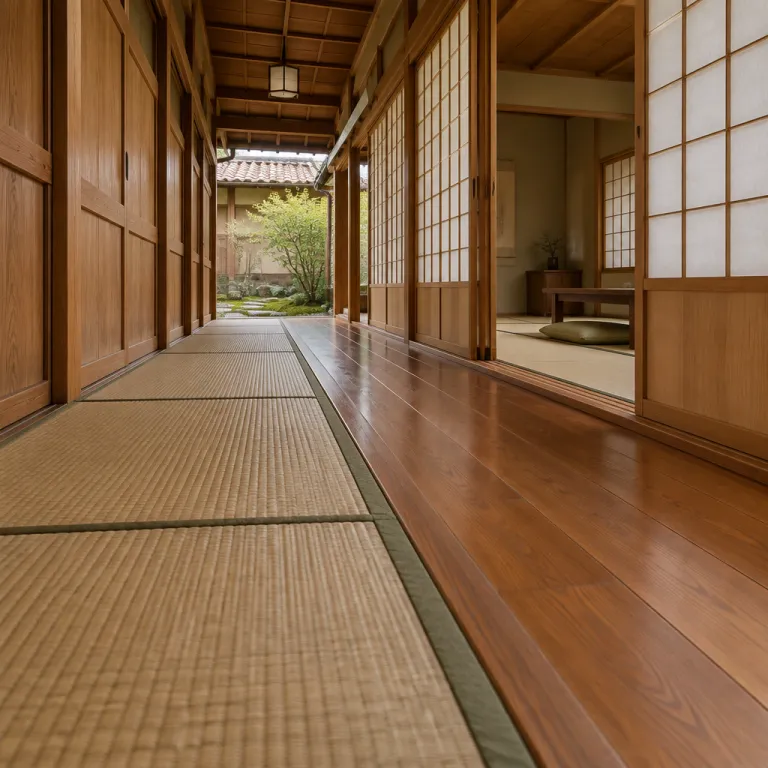
How ryokan influence luxury lodging house hospitality for modern families
The most interesting shift in luxury lodging house hospitality right now comes from the quiet ryokan influence on how hosts think about space, time, and care. Instead of adding more amenities, the best properties study how a traditional Japanese ryokan choreographs a stay, from the first bow at the entrance to the last glance at the garden before checkout. For premium families used to Western style hotels, this ryokan influence on luxury lodging house hospitality can feel both calming and surprisingly practical.
In a classic ryokan in Japan, the arrival ritual is not a formality ; it is the emotional overture. Shoes are removed, the air feels softer, and a host guides you to a tatami room where tea, not paperwork, sets the tone for your stay. Luxury lodging houses that borrow from this ryokan experience now welcome guests with a seated check in, a warm towel, and sometimes a short tea service that slows the pulse before anyone asks about Wi Fi codes or connecting rooms.
Families notice this immediately because children read atmosphere faster than adults. When a room is prepared in a Japanese style, with low seating, soft lighting, and clear floor space, kids settle, and parents exhale. The best Western lodging houses translate this ryokan influence into flexible rooms where a living area becomes a sleeping room at turndown, echoing how ryokans transform a single room from tea salon to futon lined bedroom in a few quiet moves.
Another lesson comes from how ryokans handle temperature, air, and water. In regions with natural hot springs, a ryokan will often pipe natural hot spring baths directly into private rooms or shared onsen baths, turning bathing into a daily ritual rather than a rushed necessity. Luxury lodging houses cannot import hot springs, but they can copy the idea of slow bathing by designing high quality family bathrooms with deep tubs, good air circulation, and lighting that invites a longer soak.
For parents comparing options on a premium booking website, these details matter more than a long amenity list. A property shaped by ryokan influence luxury lodging house hospitality will describe how rooms change with the season, how dinner breakfast timing is paced, and how staff anticipate needs before guests articulate them. When you read that a lodging house has studied traditional Japanese omotenashi, you can expect fewer scripted lines and more quiet, precise gestures that make travel with children feel less like logistics and more like a shared experience.
From tatami rooms to family suites: spatial lessons from onsen ryokans
Space is where the ryokan influence on luxury lodging house hospitality becomes most visible. Traditional Japanese ryokans treat every room as a multipurpose stage, where a low table hosts tea, games, and dinner before futons appear for sleep. Western style lodging houses are now rethinking family suites through this lens, designing rooms that shift function across the day instead of locking families into a fixed layout.
In a classic onsen ryokan, the main room is rarely cluttered ; sliding doors hide bedding, and the focus stays on the view, whether it is a garden, a river, or a distant prefecture skyline. Some European and American lodging houses now echo this Japanese style restraint, using shoji inspired screens to divide a room at night so children sleep in darkness while parents keep a lamp on. This approach, borrowed from ryokans in Japan, respects both privacy and togetherness without needing extra rooms that drive up cost.
Bathing spaces offer another clear lesson. Onsen ryokans near hot springs, such as those around Kurokawa Onsen in Kumamoto prefecture, often combine private open air baths with larger communal baths fed by natural hot spring water. Families move between these onsen baths and onsens that are reserved by the hour, teaching children to treat baths as shared rituals rather than rushed showers. Western lodging houses are translating this by adding small spa pools or family friendly spring baths style facilities, where the emphasis is on lingering together.
Event spaces are changing too, influenced by how onsen ryokans use tatami rooms for both meals and gatherings. As the number of event spaces in exclusive hotels and venues grows, some luxury lodging houses now design salons that can host a kaiseki inspired dinner one night and a children’s storytelling session the next, mirroring the flexible room culture of ryokans. This shift shows how ryokan influence luxury lodging house hospitality not just in guest rooms but in every shared area.
For families booking through a premium platform, look closely at floor plans and photos of rooms and baths. A lodging house that references onsen ryokans or onsen ryokan traditions will often show deep tubs, open air terraces, and communal baths designed with clear etiquette signage so Western guests feel comfortable. When you see this blend of Japanese style and Western style comfort, you are looking at a property that has studied ryokans hot water culture and translated it into something both practical and serene for multigenerational stays.
Meals that slow you down: from kaiseki rhythm to dinner breakfast rituals
Food is where ryokan influence luxury lodging house hospitality becomes unforgettable for many travelers. A traditional Japanese ryokan treats dinner and breakfast as bookends to the stay, not just meals but carefully paced experiences that frame your time in the region. For premium families, this rhythm can reset jet lag, calm restless children, and create shared memories that outlast any photo.
In many onsen ryokans, especially luxury ryokans in rural prefectures, dinner is served in the room on low tables or in intimate dining rooms where each course arrives with quiet ceremony. The structure often follows a kaiseki logic, moving from light, seasonal starters to grilled dishes, simmered plates, and finally rice and soup, with Japanese cuisine presented in small, high quality portions. Western lodging houses inspired by this now offer set menus that guide the evening, replacing endless à la carte choice with a curated sequence that encourages families to slow down and talk.
Breakfast in a staying ryokan is equally intentional, often featuring grilled fish, rice, miso soup, and pickles that reflect local food traditions. Some contemporary lodging houses reinterpret this dinner breakfast pairing by offering a Japanese style option alongside Western style classics, letting children experiment with new flavors while parents enjoy familiar comfort. When a property explains that its chef trained in Japan or studied traditional Japanese kaiseki, you can expect a level of detail that goes beyond standard hotel buffets.
For travelers wondering what they are really paying for at a luxury lodging house, the answer often lies in this choreography of meals. Properties that embrace ryokan influence luxury lodging house hospitality invest in timing, pacing, and staff training so that courses arrive neither rushed nor delayed, and dietary needs are anticipated rather than negotiated at the table. Reading a detailed description of food service on a booking page can tell you more about the soul of a place than any list of amenities.
Families should look for mentions of in room dining that echoes ryokan room service, child friendly tasting menus, and flexible seating that allows parents to enjoy Japanese cuisine while children have simpler plates. When dinner and breakfast are treated as experiences rather than transactions, you feel the same quiet care that defines the best onsen ryokans, even if you are thousands of kilometers from any natural hot spring. That is the subtle power of importing ryokan meal philosophy into Western lodging houses.
Bathing as a shared ritual: onsen culture and Western lodging house wellness
Onsen culture sits at the heart of many ryokans, and its influence on luxury lodging house hospitality is reshaping how wellness is designed. In Japan, an onsen is more than a hot bath ; it is a social and spiritual reset built around natural hot springs that emerge from volcanic geology. Families and couples travel specifically to onsen ryokans and onsen kumamoto style retreats to soak, talk, and rest in water that feels both physically and emotionally restorative.
Traditional Japanese onsen ryokans often offer a mix of communal baths, gender separated indoor pools, and private open air tubs attached to select rooms. The water, drawn from natural hot springs, carries minerals that locals believe support circulation and relaxation, and the etiquette around washing before entering the baths is taught gently to first time guests. Western lodging houses cannot replicate the exact geology, but they can borrow the idea that baths and onsens should be central, not peripheral, to the guest experience.
Some alpine and coastal properties now design spa areas that echo onsen baths, with hot pools, cold plunges, and quiet zones where families can sit together without loud music. The best of these spaces are clearly influenced by ryokans hot spring baths, using stone, wood, and open air terraces to create a sense of connection to the surrounding landscape. For parents, this means children learn to treat water as a place for calm conversation, not just splashing, which can transform the mood of an entire stay.
Room design follows suit, especially in suites that feature deep soaking tubs and sliding doors that open to fresh air. While these are not true hot springs, the intention is similar to a private onsen ryokan bath, giving guests a place to unwind in silence after a long travel day. When you see a lodging house describe its spa as inspired by Japanese onsen culture, expect thoughtful signage, clear guidance on communal baths etiquette, and staff who understand how to make first timers feel at ease.
For families booking through a premium platform, it is worth reading reviews that mention baths, onsens, and spa rituals. Properties that take these elements seriously usually show it in photos of spring baths style pools, steam rising in the cool air, and guests wrapped in robes moving slowly between water and rest areas. That visual language signals a deep ryokan influence on luxury lodging house hospitality, where wellness is not an add on but a core part of how you stay.
Seasonality, rituals, and the art of timing your stay
Ryokans teach a powerful lesson about time, and luxury lodging house hospitality is finally listening. In Japan, the best ryokans align every detail of the stay with the season, from the flowers in the alcove to the ingredients in the soup and the thickness of the futon. For families used to climate controlled sameness, this seasonal sensitivity can feel like a revelation.
Many onsen ryokans in mountain prefectures adjust their rooms and baths as temperatures shift, adding extra blankets, changing yukata fabrics, and even altering the temperature of hot spring baths. Western lodging houses influenced by this approach now tune lighting, textiles, and even scent by season, so a winter stay feels cocooning while a summer visit feels airy. This is where ryokan influence luxury lodging house hospitality moves beyond aesthetics into something more deeply felt.
Rituals anchor this sense of time. In a staying ryokan, you might slip into communal baths before dinner, change into a yukata, and then return to your room for a slow meal, followed by another soak under the night air. Some lodging houses now build similar rhythms into their programming, suggesting a late afternoon swim, a family board game hour in the lounge, and then a set dinner that ends early enough for children to sleep on time.
For families planning when to travel, timing matters as much as location. Smart travelers are increasingly choosing shoulder seasons, when air is cooler, crowds thin, and hosts have more time to offer high quality, unhurried service. Guides on why smart travelers are booking lodging houses in September, not August, often echo this ryokan inspired respect for quieter periods when the full character of a place can emerge.
When you read a property description that talks about cherry blossom views from the room, autumn leaves reflected in open air baths, or snow framing hot springs, you are seeing a Japanese style sensitivity to season. This attention to timing helps families structure their days, from early morning walks to evening soaks, turning a simple stay into a sequence of shared moments. That is the deeper promise of ryokan influence on luxury lodging house hospitality for guests who value memory over spectacle.
Choosing between traditional ryokans, hybrid lodging houses, and Western style stays
For families considering Japan, the first decision is often whether to book a traditional ryokan, a contemporary hybrid lodging house, or a familiar Western style hotel. Each option offers a different balance of ritual, privacy, and flexibility, and understanding these differences helps you match your stay to your children’s ages and your own travel rhythm. The rise of hybrid properties shows how ryokan influence luxury lodging house hospitality is creating new choices rather than replacing old ones.
A classic ryokan, especially in regions like Kurokawa Onsen or other onsen kumamoto areas, offers the purest traditional Japanese experience. You sleep on futons in tatami rooms, eat set dinners and breakfasts at fixed times, and bathe in hot springs that may include both communal baths and private open air tubs. This works beautifully for families who enjoy structure and are comfortable with shared spaces, but it can feel intense for those who prefer more control over meal times and room layouts.
Hybrid lodging houses borrow the best of both worlds. They might offer Western style beds in Japanese style rooms, flexible dinner breakfast windows, and a choice between private onsen baths and larger onsens that follow clear etiquette. These properties often appeal to premium families because they combine high quality service with enough familiarity that children do not feel overwhelmed by new customs.
Pure Western style hotels remain the easiest option for quick city breaks, but they increasingly integrate small touches from ryokans, such as deeper tubs, tea sets in every room, and staff training in anticipatory service. When you read a detailed breakdown of what you are really paying for at a luxury lodging house, look for mentions of service choreography, seasonal menus, and thoughtful room transitions. Those are the signals that the property has studied ryokan culture rather than simply borrowing surface level design cues.
Whichever path you choose, the key is to align expectations. Traditional ryokans reward guests who embrace curation and surrender, while hybrid lodging houses offer a softer landing for families new to Japanese customs. By reading property descriptions carefully and paying attention to how they talk about rooms, baths, food, and timing, you can select a stay where ryokan influence on luxury lodging house hospitality enhances, rather than complicates, your family trip.
Key figures shaping ryokan influence on luxury lodging house hospitality
- Japan’s Tourism Agency reports that stays in traditional ryokans and onsen ryokans account for a significant share of domestic leisure trips, with hot spring regions such as Kurokawa Onsen in Kumamoto prefecture consistently ranking among the most popular rural destinations for overnight stays.
- Data from the Japan National Tourism Organization show that international visitors who include at least one night in a ryokan or onsen ryokan report higher overall satisfaction scores than those who stay only in Western style hotels, especially regarding food quality, baths, and perceived hospitality.
- Surveys of luxury travelers by major hospitality consultancies indicate that a growing percentage of high spending guests now actively seek properties that reference traditional Japanese design, onsen baths, or ryokan style service, influencing how Western lodging houses plan renovations and new builds.
- Industry analyses of wellness travel highlight that properties offering communal baths or spa facilities inspired by natural hot springs see higher repeat visit rates, suggesting that onsen influenced design has a measurable impact on guest loyalty and long term revenue.
FAQ about ryokan influence on luxury lodging house hospitality
What is the main difference between a ryokan and a Western style lodging house ?
A ryokan is a traditional Japanese inn that centers the stay around tatami rooms, set meals, and often access to natural hot springs or onsen baths. Western style lodging houses usually offer fixed bed layouts, more flexible dining options, and private bathrooms without communal baths. Properties influenced by ryokans blend these approaches, keeping Western comforts while adopting Japanese style rituals and service.
Are communal baths in onsen ryokans suitable for families with children ?
Communal baths in onsen ryokans are generally family friendly, provided children can follow basic etiquette such as washing before entering the water and keeping noise moderate. Many onsen ryokans also offer private open air baths or reservable spring baths for families who prefer more privacy. When booking, look for clear descriptions of bath types and any age restrictions to ensure a comfortable experience.
How can I tell if a Western lodging house is genuinely influenced by ryokan traditions ?
Genuine ryokan influence shows up in how a property handles arrival rituals, room flexibility, meal pacing, and bathing culture, not just in decor. Look for mentions of set dinners, seasonal menus, deep soaking tubs, or spa areas designed for quiet shared use rather than loud entertainment. Reviews that highlight attentive, anticipatory service and thoughtful details around baths and food are strong indicators of real ryokan inspired hospitality.
Is staying in a ryokan difficult if I do not speak Japanese ?
Many ryokans in major tourist regions now have English speaking staff and clear signage, especially around onsen baths and meal times. Even in smaller prefectures, hosts are used to guiding international guests through rituals such as wearing yukata or using communal baths. If you are concerned, choose a ryokan or hybrid lodging house that explicitly mentions multilingual support on its booking page.
What should families pack for a stay in a ryokan or ryokan influenced lodging house ?
Most ryokans and ryokan influenced lodging houses provide yukata robes, slippers, and basic toiletries, so you can pack lighter than for a standard hotel. Families may want to bring swimsuits if the property has mixed gender open air pools that allow them, as well as simple entertainment for children between baths and meals. Checking photos and amenity lists in advance helps you align what you pack with the specific style of stay you have chosen.