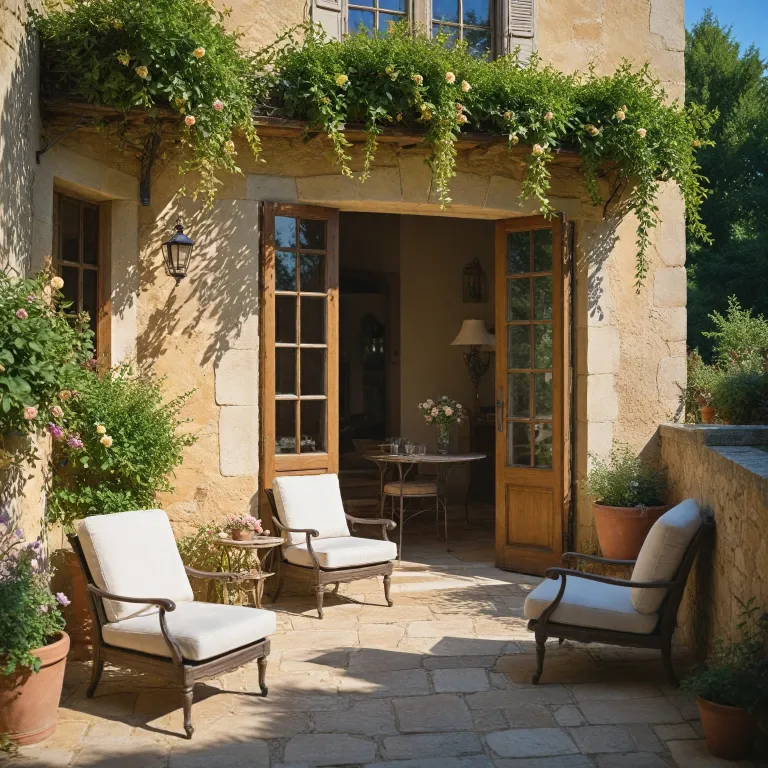
Perigourdine sense of place for luxury minded travelers
Perigourdine evokes a refined way of living in southwest France. In the Périgord region, lodging houses blend stone walls, forest views, and generous food traditions into one seamless experience. Guests who appreciate french elegance quickly feel how perigourdine hospitality turns a simple stay into a memorable escape.
The surrounding Dordogne landscape, with about 418 000 hectares of forest covering nearly 45 % of the département, shapes every perigourdine moment. Many premium lodging houses partner with La Périgourdine agricultural cooperative to highlight cereals, fruits, and livestock raised with care. This close link between land and table means your salade périgourdine, your duck breast, and your foie gras often come from producers you could meet at the local market in Périgueux.
Perigourdine cuisine anchors the guest experience, starting with a generous salad built on seasonal ingredients. A classic salade périgourdine might feature preserved duck, smoked duck, and tender gizzards arranged over crisp greens. Add walnuts, fresh goat cheese, and slices of foie gras, then finish with walnut oil and wine vinegar for a plate that expresses the region in every bite.
In many lodging houses, chefs use traditional methods to sear duck breast in a hot pan, then remove the pan from the heat to let the meat rest. They season simply with fleur de sel and a touch of salt pepper, letting the quality of the ingredients speak. Guests often pair these dishes with local wines, then end the evening with french desserts that echo the aromas of walnut, truffle, and liqueur from Distillerie du Périgord.
How perigourdine gastronomy shapes your choice of lodging house
When browsing a luxury booking website, perigourdine gastronomy can guide you toward the right lodging house. Look for properties that highlight farm to table menus, partnerships with local producers, and menus that mention salade périgourdine or foie gras from nearby farms. These details signal a commitment to authenticity that elevates your entire stay.
Menus that feature duck, duck breast, and preserved duck show how deeply the house embraces regional food culture. A chef who prepares smoked duck and gizzards in the traditional way, sautéed in oil and finished with wine vinegar, usually understands the balance between rustic roots and refined presentation. Ask whether the kitchen uses walnut oil from local mills and whether walnuts appear in both savory salads and french desserts.
Many premium lodging houses also celebrate french soups made with seasonal vegetables, cold water, and slow simmered stocks. You might find a perigourdine twist on classic french cuisine, where foie gras enriches a velvety soup or foie gras slices crown a plate of seared duck breast. These recipes often rely on a simple base of ingredients, then add finesse through precise cooking and careful seasoning with fleur de sel.
As you compare properties, pay attention to how they communicate their culinary philosophy alongside rate structures, much like detailed pricing insights for high end stays in other destinations such as sophisticated coastal retreats. A clear focus on perigourdine cuisine, from salads with fresh goat cheese to main courses of cooked duck, indicates that food is central to the guest journey. This alignment between kitchen and accommodation often distinguishes a pleasant night from a truly memorable perigord experience.
Designing a perigourdine themed stay through a luxury booking platform
Curating a perigourdine themed itinerary begins with filters and details on your preferred booking website. Search for lodging houses in or near Périgueux, then refine by properties that emphasize gastronomy, wine pairings, and access to local markets. Descriptions that mention truffle hunting, cooking classes, or partnerships with Distillerie du Périgord usually indicate a deeper engagement with regional culture.
Once you shortlist properties, read how each one integrates perigourdine food into daily life. Some houses offer welcome platters with slices of smoked duck, walnut bread, and fresh goat cheese, paired with a glass of orange scented liqueur from the distillery. Others organize themed dinners where guests taste multiple recipes featuring duck, foie gras, and walnut oil, each course paired with wines from southwest France.
For travelers who value privacy and tailored service, perigourdine lodging houses can rival high end villa experiences in other regions, such as Caribbean villa rentals with personalized service. Many properties limit room numbers to maintain calm, yet still provide attentive staff who can arrange market visits or private tastings. Ask whether the chef can prepare a custom salade périgourdine with extra foie gras slices or adapt french soups to your dietary preferences.
Thoughtful hosts often share tips on the best french restaurants nearby that specialize in perigourdine cuisine. They may recommend places where you can enjoy traditional french desserts after a meal of duck breast cooked in a pan, then finished with a drizzle of walnut oil. By aligning your lodging choice with these gastronomic experiences, you ensure that every day in perigord feels coherent, flavorful, and genuinely rooted in place.
Inside the perigourdine kitchen: from market basket to refined plate
Understanding what happens in a perigourdine kitchen helps you appreciate the value of a premium stay. Chefs begin with ingredients sourced from local farms, often through cooperatives like La Périgourdine that support cereals, fruits, and livestock. They treat duck, foie gras, walnuts, and fresh vegetables as ambassadors of france, not just as components of recipes.
A classic salade périgourdine starts with crisp greens rinsed in cold water, then carefully dried. The chef warms preserved duck and gizzards in a pan with a touch of oil, allowing the fat to render and the meat to become tender. After they remove the pan from the heat, they arrange the cooked meats over the salad, add potatoes or green beans, then finish with foie gras slices and toasted walnut pieces.
The dressing usually combines walnut oil, wine vinegar, salt pepper, and sometimes a hint of mustard for balance. Fleur de sel sprinkled at the end enhances both the duck breast and the fresh goat cheese, while smoked duck adds a subtle depth. In many kitchens, chefs also prepare french soups enriched with foie gras or duck stock, alongside french desserts that highlight walnuts, seasonal fruits, or liqueurs from Distillerie du Périgord.
“Sauce Périgueux is a savory sauce from the Périgord region, primarily made with Madeira wine and truffles, often served with meats and foie gras.” This sauce often appears in perigourdine menus at high end french restaurants, especially when paired with duck breast or medallions of foie gras. When a lodging house showcases such sauces and techniques, it signals a level of culinary expertise that justifies a premium rate and rewards guests with authentic perigord food memories.
Balancing digital trust and sensory pleasure on booking websites
For luxury and premium lodging houses, perigourdine charm must translate clearly on digital booking platforms. High quality photography should show not only rooms and pools, but also plates of salade périgourdine, duck breast in a pan, and french desserts served under soft light. These images help travelers imagine aromas of walnut oil, smoked duck, and foie gras before they even arrive in southwest France.
Equally important is transparent communication about data handling and privacy policy on the booking website. Guests willing to invest in perigourdine experiences expect their personal details to be treated with the same care as rare ingredients like foie gras or truffles. Clear explanations about how information is stored, combined with secure payment options, build trust that complements the emotional appeal of french cuisine.
Written descriptions should connect the sensory world of perigord food with practical stay details. Mention how chefs use cold water to rinse salad greens, how they remove the pan to rest duck breast, and how they season with fleur de sel for perfect texture. Explain that menus change with the seasons, featuring different recipes for french soups in cooler months and lighter salads with fresh goat cheese and walnuts in warmer periods.
Some booking platforms enhance credibility by highlighting partnerships with regional actors such as Distillerie du Périgord or local tourism boards. Others link to editorial content about premium coastal stays, like curated beachfront escapes, to show broader expertise in luxury travel. When perigourdine lodging houses appear within such trusted ecosystems, travelers can confidently choose properties where both digital experience and on site cuisine meet high standards.
Planning immersive perigourdine days around your lodging house
A well chosen perigourdine lodging house becomes the anchor for immersive days in the Périgord region. Start mornings with a breakfast that might include fresh goat cheese, walnut bread, and local honey, then plan visits to markets in Périgueux. There you can see duck, walnuts, and seasonal vegetables that later reappear in your salade périgourdine or french soups back at the property.
Many hosts can arrange truffle hunting excursions, vineyard visits, or tastings at Distillerie du Périgord. After a day outdoors in the forests that cover nearly half of Dordogne, returning to a warm dining room with duck breast cooked in a pan feels especially comforting. Chefs may prepare preserved duck or smoked duck with a sauce based on wine vinegar, walnut oil, and stock, then finish with fleur de sel and a side salad dressed with salt pepper.
Evenings often end with french desserts that showcase perigord ingredients, such as walnut cakes or fruit tarts scented with liqueur. Guests who appreciate french restaurants will notice how closely lodging house menus align with regional standards of french cuisine. Between courses, staff may explain how recipes evolved from farmhouse traditions to refined plates, emphasizing the role of La Périgourdine cooperative and other local partners.
By the time you leave, perigourdine will mean more than a word on a booking website. It will evoke the taste of foie gras slices, the aroma of duck breast resting after you remove the pan, and the crunch of walnuts in a perfectly balanced salad. Choosing a lodging house that honors these details ensures your luxury stay in southwest France feels both indulgent and deeply rooted in place.
Key perigourdine statistics for discerning travelers
- Forest area in Dordogne : 418 000 hectares of woodland shape the landscapes surrounding many perigourdine lodging houses.
- Percentage of Dordogne covered by forest : 45 % of the département is forested, offering a lush backdrop for rural luxury stays.
Essential perigourdine questions for your next stay
What is Sauce Périgueux ?
Sauce Périgueux is a classic preparation from the Périgord region, made with Madeira wine and truffles, and often served with meats and foie gras. In perigourdine lodging houses, it frequently accompanies duck breast or medallions of foie gras during gourmet dinners. When a property highlights this sauce on its menu, it usually signals a strong commitment to regional french cuisine.
What are the main ingredients in a Salade Périgourdine ?
A traditional salade périgourdine typically includes salad greens, potatoes, green beans, tomatoes, duck confit, cured ham, and foie gras. The dressing is usually based on walnut oil and vinegar, sometimes enriched with mustard and finished with fleur de sel. Many lodging houses personalize the recipe with smoked duck, fresh goat cheese, or extra walnuts to showcase local produce.
What is the significance of truffles in périgourdine cuisine ?
Truffles hold a central place in perigourdine gastronomy, symbolizing the richness of the region’s soil and forests. They add an intense, earthy aroma to sauces, eggs, meats, and even some french desserts, and are often featured in seasonal menus at high end french restaurants. Travelers who stay in perigourdine lodging houses can often join truffle hunting excursions, then taste the harvest in carefully crafted recipes back at their accommodation.