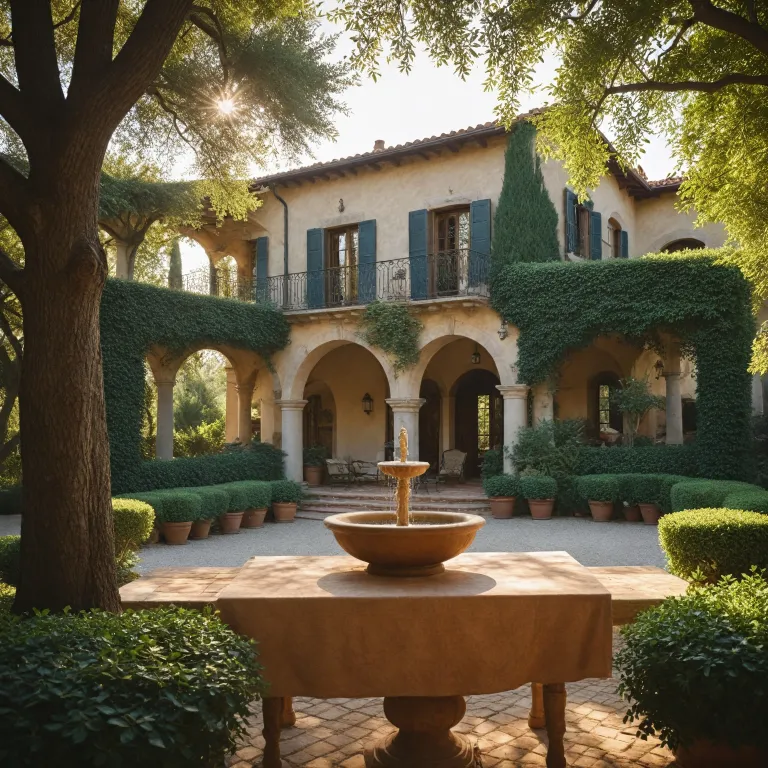
Timeless tuscan mansion elegance for modern luxury travelers
A refined tuscan mansion stay suits travelers who value quiet sophistication. In Tuscany, each house rises from the landscape with calm authority, shaped by centuries of architectural practice and measured plans. Guests sense how this luxury environment slows the pace of a trip and reframes every moment.
Historic references matter when you evaluate any tuscan house for your next journey. In Florence, architects such as Leon Battista Alberti and Bernardo Rossellino perfected a balanced exterior that still guides every serious house plan in the region. Their work on Palazzo Rucellai showed how a mansion could combine classical proportion, rustic materials, and a dignified mediterranean aesthetic.
Today’s tuscan homes translate that heritage into comfortable, human scale luxury. Thick stucco stone walls, terracotta roofs, and arched openings create a style house that feels both protective and open to the countryside. When you browse premium lodging platforms, focus on listings whose design language clearly reflects this authentic tuscan style rather than generic mediterranean house décor.
Indoor outdoor living remains central to any true house tuscan experience. Courtyards, loggias, and shaded terraces extend the floor plans into the landscape, often framing a pool or olive grove. For travelers, this means you can move effortlessly from a cool interior story house to sunlit outdoor lounges without losing privacy or comfort.
Luxury booking websites now highlight these architectural details alongside amenities. Look for descriptions that mention natural materials, handcrafted finishes, and thoughtful plans luxury rather than only listing a modern garage or number of rooms. This approach signals hosts who understand that design, not just size, defines a genuine tuscan mansion stay.
Understanding tuscan style architecture when comparing lodging houses
Recognizing authentic tuscan style helps you filter premium listings quickly. A genuine tuscan mansion usually combines stone, stucco stone, and terracotta in a calm, earthy palette that blends with vineyards or rolling hills. The exterior rarely feels flashy, yet the overall aesthetic conveys quiet luxury and long term durability.
Key architectural cues appear in both large and small house options. Look for arched windows, heavy wooden shutters, and exposed beams that echo Renaissance precedents in Florence and the wider italian countryside. These elements should feel integrated into the design, not added later as superficial décor to imitate a mediterranean house.
Outdoor spaces are equally important when you assess tuscan homes on a booking platform. A well planned pool area, shaded pergola, or stone terrace extends the living area and supports relaxed, resort level comfort. When listings mention indoor outdoor transitions, check photos to confirm that the plans story layout truly supports this lifestyle.
Some travelers prefer a compact style tuscan retreat rather than a vast mansion. In that case, focus on plans small that still respect traditional proportions, materials, and a coherent house plan. Even a modest country house can feel like a luxury house when the design balances privacy, views, and circulation between interior rooms and outdoor lounges.
As you compare european villas with coastal properties such as island villa rentals that elevate your stay, note how each property handles climate and light. Tuscan architecture favors deep overhangs and thick walls to temper heat, while mediterranean and spanish inspired homes elsewhere may rely more on cross ventilation. Understanding these nuances helps you match a tuscan mansion to your comfort expectations.
How luxury booking platforms present tuscan mansion plans and layouts
Premium booking websites increasingly showcase detailed floor plans to support informed decisions. For a tuscan mansion, these plans reveal how public and private zones interact, from grand salons to intimate bedrooms. A clear house plan also shows whether the property functions as a single story house or a multi level residence with distinct wings.
When browsing, pay attention to how the platform labels house plans and plans luxury categories. Some sites group tuscan homes with broader mediterranean or spanish listings, which can obscure important differences in style homes. A refined style tuscan property usually emphasizes axial views, symmetrical courtyards, and carefully framed vistas toward the countryside.
Look for floor plans that highlight indoor outdoor circulation. Doors from the kitchen or living room should open directly to terraces, gardens, or a pool, supporting relaxed entertaining. If the listing includes a modern garage, check that it does not dominate the exterior or disrupt the traditional aesthetic of the house tuscan façade.
Many travelers appreciate the clarity of newest plans diagrams, especially when booking larger tuscan homes for groups. These visuals help you assign bedrooms, understand bathroom access, and evaluate whether a small house annex or guest wing suits multigenerational stays. They also reveal whether the design respects the original tuscan style or introduces awkward additions.
On curated platforms such as the Luxus Collection for premium lodging houses, editorial descriptions often explain how a property’s plan supports real world comfort. Seek language that references natural materials, handcrafted details, and thoughtful circulation rather than only listing room counts. This level of narrative usually indicates hosts and managers who understand both architecture and hospitality.
Design details that define a luxury tuscan house experience
The character of a tuscan mansion lies in its crafted details. Traditional methods use stone, stucco stone, terracotta tiles, and timber to create a tactile, enduring environment. These materials not only shape the exterior but also influence interior comfort, acoustics, and the overall luxury atmosphere of the house.
Architects from the Renaissance still guide today’s design standards. Leon Battista Alberti and Bernardo Rossellino demonstrated how proportion, rhythm, and material honesty could elevate a family residence into an architectural statement. Their legacy appears in many tuscan homes, where balanced façades and measured openings create a calm, mediterranean presence.
Key features of a tuscan mansion include terracotta roofs, arched windows and doorways, exposed wooden beams, and courtyards or loggias that facilitate indoor-outdoor living. Inside, a well considered house plan often places social rooms around a central courtyard or terrace. This layout allows light to filter gently through the story house while maintaining privacy in bedrooms and studies.
Outdoor areas deserve close attention when you book. A thoughtfully positioned pool, framed by stone paving and low walls, can transform the exterior into a resort grade retreat. Look for plans luxury that integrate outdoor kitchens, shaded dining, and landscaped paths, turning the property into a complete style house environment rather than just a place to sleep.
Modern travelers often seek a balance between heritage and convenience. Contemporary lighting, climate control, and spa level bathrooms can coexist with rustic beams and traditional plaster if the design is coherent. When a listing mentions newest plans or recent renovations, confirm that the updates respect the original tuscan style rather than imposing an incompatible modern aesthetic.
Comparing tuscan, mediterranean, spanish, and italian style homes
Travelers often compare tuscan homes with broader mediterranean, spanish, and italian properties. While these categories overlap, a tuscan mansion usually feels more rustic and grounded than many coastal mediterranean house designs. Stone, muted stucco, and earthy tones dominate, creating a country house atmosphere even in refined estates.
Spanish style homes often feature brighter tiles, more ornate ironwork, and bolder color contrasts. In contrast, a house tuscan composition tends to favor restrained ornament, heavy timber elements, and a quieter exterior. Italian villas outside Tuscany may lean toward grander symmetry and formal gardens, while tuscan style focuses on harmony with vineyards and rolling hills.
When browsing international listings, note how each style handles outdoor living. Tuscan mansions prioritize courtyards, loggias, and shaded terraces that extend the floor plans into the landscape. Mediterranean and spanish properties may emphasize sea views, roof decks, or more open pool terraces, which suit different travel preferences.
Luxury booking platforms sometimes group these categories together, so read descriptions carefully. Look for explicit references to tuscan style, stone farmhouses, and countryside settings if that is your priority. If you prefer a compact base, search for a small house or plans small that still echo traditional tuscan house proportions and materials.
For travelers who enjoy alternating between countryside calm and coastal energy, it can be helpful to pair a tuscan mansion stay with a seaside rental such as an elegant vacation home by the coast. This combination highlights how different style homes respond to their environments. Understanding these nuances allows you to choose the right house plans for each leg of your journey.
Practical booking tips for selecting your ideal tuscan mansion
Choosing the right tuscan mansion on a luxury platform requires both aesthetic judgment and practical thinking. Start by clarifying whether you prefer a single story house or a multi level residence, then review floor plans to match mobility and privacy needs. Pay attention to circulation between bedrooms, shared lounges, and outdoor spaces, especially if you travel with a group.
Next, evaluate the exterior and landscape. A true house tuscan setting should integrate gardens, terraces, and possibly a pool into a coherent outdoor experience. When listings mention plans luxury, confirm that the pool, outdoor kitchen, and seating areas relate logically to the interior, rather than feeling like separate, inconvenient zones.
Consider how you will actually live in the space during your stay. A modern garage may matter if you plan extensive day trips, while a compact small house layout might suit a couple focused on quiet evenings. For larger groups, newest plans diagrams help you allocate rooms, understand bathroom access, and avoid surprises on arrival.
On many platforms, you can add favorite homes to a digital cart or shortlist. Use this feature to compare several tuscan homes side by side, noting differences in style tuscan details, materials, and amenities. Pay attention to reviews that mention acoustics, temperature comfort, and the quality of indoor outdoor transitions.
Finally, verify that the property’s design aligns with your expectations of a luxury house. Look for consistent use of natural materials, thoughtful lighting, and a cohesive aesthetic from entrance to garden. By combining architectural awareness with careful reading of house plans and guest feedback, you can secure a tuscan mansion stay that feels both authentically regional and perfectly tailored to your trip.
Key statistics about tuscan mansion architecture and construction
- Construction of landmark Renaissance residences such as Palazzo Rucellai typically spanned about 5 years, reflecting the craftsmanship required for enduring stone and stucco structures.
- Traditional tuscan homes often feature walls around 3 feet thick, which supports thermal comfort and acoustic privacy in both historic and modern adaptations.
- Many contemporary tuscan style homes integrate sustainable materials and energy efficient systems while preserving the rustic exterior aesthetic valued by luxury travelers.
Essential questions travelers ask about tuscan mansions
What materials are commonly used in Tuscan mansions?
Tuscan mansions typically use natural materials such as stone, stucco, terracotta, and wood to create a rustic yet elegant aesthetic. When reviewing listings, prioritize properties that highlight these materials in both interior and exterior descriptions. This usually signals better thermal comfort, authentic regional character, and long term durability.
What are the key architectural features of a Tuscan mansion?
Key features include terracotta-tiled roofs, arched windows and doorways, exposed wooden beams, and courtyards or loggias that facilitate indoor-outdoor living. On booking platforms, look for photos that clearly show these elements integrated into a coherent design. Properties that only imitate these details superficially may lack the spatial harmony that defines a true tuscan mansion experience.
How does Tuscan architecture integrate with its natural surroundings?
Tuscan architecture emphasizes harmony with the environment by using locally sourced materials and designing homes that blend seamlessly with the landscape. In practice, this means low sloping roofs, earthy colors, and site specific orientation that frames views of vineyards, hills, or olive groves. Travelers benefit from this approach through calmer visual surroundings, comfortable microclimates, and outdoor areas that feel like a natural extension of the interior.
Trustful expert sources
- UNESCO World Heritage Centre – documentation on historic centres in Tuscany and Renaissance urbanism.
- ICOMOS (International Council on Monuments and Sites) – charters and reports on conservation of traditional mediterranean architecture.
- Ordine degli Architetti di Firenze – professional resources on Tuscan residential design and restoration practices.