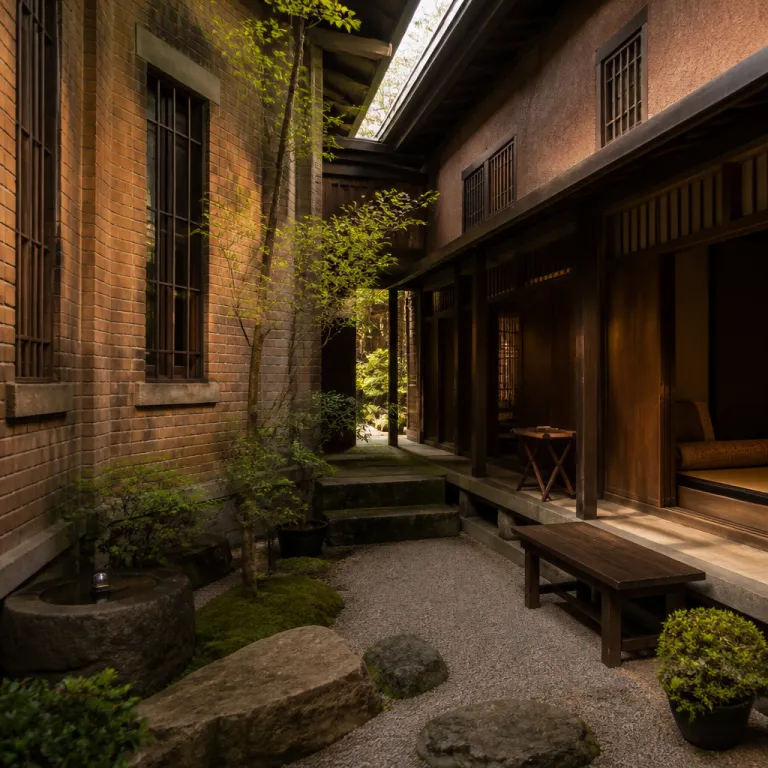
From meiji era prison to Hoshinoya Nara heritage hotel
Hoshinoya Nara Prison heritage hotel Japan sits on the edge of Nara Park, turning a former prison into a luxury hotel with 48 guest rooms. The property occupies the only fully preserved Meiji era penitentiary in Japan, where the original red brick architecture and radial layout now frame an immersive stay for couples who care about history culture as much as comfort. What was once Nara Prison for inmates has become Hoshinoya Nara for travelers, with every corridor and courtyard revealing how land history and architectural heritage can be reimagined without erasing the past.
The site dates to the Meiji era, when architect Keijiro Yamashita used a Haviland style plan with wings radiating from a central watchtower, and those distinct themes remain legible in the current design. Conservation specialist Yoshihiko Sano oversaw seismic reinforcement so that the cultural property could meet modern safety codes while keeping the iconic red brick walls and hand laid masonry intact. Today the hotel and its guest rooms sit within these laid brick structures, and the Japanese Government still owns the property while Hoshino Resorts operates it as a flagship of Japan luxury hospitality.
Hoshino Resorts describes the project simply and clearly for travelers who want facts before romance : "What is HOSHINOYA Nara Prison?" and "When did HOSHINOYA Nara Prison open?" and "Where is HOSHINOYA Nara Prison located?" and "How many rooms does HOSHINOYA Nara Prison have?" and "What was the original purpose of the building?". Those real verified quotes underline that this is not a themed fantasy prison museum, but a serious piece of prison preservation that has been adapted into a working luxury hotel. Couples booking Hoshinoya Nara can expect rates starting around 147 000 yen per night, which positions the brand firmly in the upper tier of Japan luxury while still inviting guests to engage with the building’s difficult history culture on its own terms.
Design, guest rooms and the ethics of immersive stay
Inside Hoshinoya Nara, architect Rie Azuma and her équipe have merged former prison cells into generous guest rooms, including the headline 11 Cell Deluxe suite that unites eleven original cells behind the same brick walls. The design keeps the iconic red brick visible in corridors and courtyards, while interiors soften the prison architecture with warm timber, layered textiles and quietly theatrical lighting that respects the meiji era shell. Couples will notice how each wing carries distinct themes in its art and materials, a subtle nod to the former discipline blocks that once defined daily life inside Nara Prison.
The central watchtower, once a symbol of surveillance, now houses a restaurant where a Gastronomy Chronicle tasting menu traces land history and regional produce from Nara and wider Japan. Here the Hoshino brand leans into narrative hospitality, using food, ceramics and contemporary art to connect guests to the site as both prison and cultural property rather than erasing its past. For travelers used to the softer storytelling of Hoshino Resorts Kai hot spring properties or the urban OMO hotels, this is a more demanding immersive stay that asks you to sit with the tension between luxury and incarceration.
That tension is handled most clearly in the on site Nara Prison Museum, which offers guest only hours from early morning to late evening so you can walk former cellblocks in near silence. Panels explain the prison preservation strategy, from hand laid red brick techniques to the way seismic bracing was threaded through existing walls without compromising the architecture. If you are weighing this against a more conventional Japan luxury stay in Kyoto or Tokyo, it helps to read a practical guide to booking a luxury lodging house in Europe, then apply the same critical lens here to understand what you value in a heritage led property.
Heritage funding, Hoshino Resorts strategy and how to book
For Japan’s cultural agencies, partnering with Hoshino Resorts on Hoshinoya Nara Prison heritage hotel Japan was a pragmatic way to fund long term maintenance of a fragile meiji era site. The Japanese Government retains ownership of the property, while the Hoshino brand assumes operational risk and uses its wider portfolio, from Kai to OMO resorts, to market the hotel as a flagship of Japan luxury rooted in architectural heritage. In practice that means every stay contributes to prison preservation, from the laid brick courtyard repairs to the ongoing curation of the prison museum and its evolving interpretation of history culture.
For couples planning a romantic trip, the booking journey will feel familiar, but the decision carries more weight than choosing a standard city hotel. You are not only paying for a luxury suite with thick walls and meticulous design, you are underwriting the future of a cultural property that might otherwise have fallen into disrepair. If you already use refined concierge style resources, such as guidance on how to use a main phone number for a grand city escape, you can apply the same diligence here by contacting Hoshino Resorts directly to request specific guest rooms or to ask detailed questions about the museum programming.
Rates at this luxury hotel start high compared with other Nara options, but the value proposition is different because the land history and architecture are the experience, not just the backdrop. Some travelers will prefer a lakeside resort or even a villa style celebration abroad, and resources on planning a villa Balbiano wedding cost show how destination spending can also support heritage estates in Europe. Here in Nara, choosing Hoshinoya Nara over a generic property signals that you are comfortable engaging with a former prison as both museum and hotel, accepting that an immersive stay in such a place will always carry a trace of unease alongside the comfort.